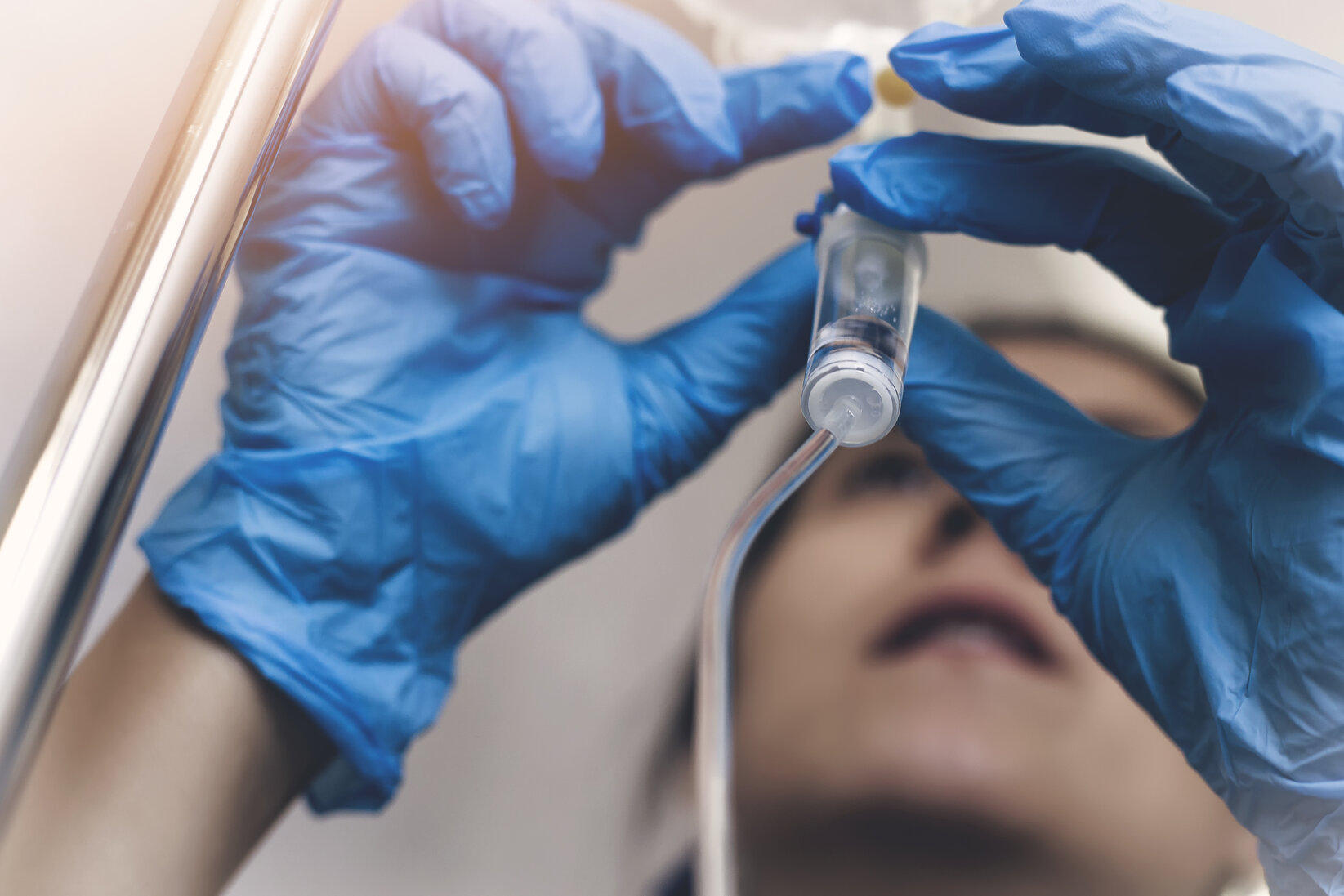
Types of treatment for stroke depend on the type of stroke, the location & severity of the stroke and the time elapsed since the patient had no symptoms.
How Strokes Are Treated
At Riverside, we know that every stroke is different. Stroke treatment depends on the type of stroke, where it happened in the brain, how much time has passed since symptoms started, and the overall health of the patient. Acting quickly and using the right treatments can save lives and help people recover better.
Treatments for Ischemic Stroke (Caused by a Blockage)
An ischemic strokehappens when a blood clot or blockage cuts off blood flow to the brain. Most strokes are ischemic, and fast treatment is critical.
A mechanical thrombectomy is a special procedure where doctors use a thin tube (catheter) to physically remove the clot from a blood vessel in the brain.
This is often done when the clot is large and blocking a major artery.
It can be performed up to 24 hours after symptoms begin in certain patients.
Medical Management
Some patients may not qualify for clot-busting drugs or surgery.
In these cases, doctors focus on carefully managing blood pressure, blood sugar, and other vital signs.
Medications may be used to prevent new clots, protect the brain, and reduce swelling.
Treatments for Hemorrhagic Stroke (Caused by Bleeding)
A hemorrhagic stroke happens when a blood vessel in the brain bursts and causes bleeding. The goal is to stop the bleeding, reduce pressure on the brain, and prevent further damage.
Neurovascular Treatments
If the bleeding is caused by an aneurysm(a weak spot in a blood vessel that bulges out like a pouch or balloon), doctors may:
Use coiling, where tiny coils are placed inside the aneurysm to block blood flow.
Use clipping, where a small metal clip is placed at the base of the aneurysm to stop it from bleeding.
Craniotomy
In some cases, a craniotomy is needed.
This is a surgery where part of the skull is temporarily removed to allow doctors to remove blood, relieve pressure, and repair damaged blood vessels.
Finding and Treating the Cause of the Stroke
After emergency treatment, the next step is to understand what caused the stroke. This helps prevent future strokes and protect long-term health. Explore some of the most common conditions that increase stroke risk and how they are treated.
Atrial Fibrillation (AFib)
AFib is an irregular heartbeat that can cause blood clots to form in a specific portion of the heart.
Due to the location, these clots can travel directly to the brain and cause a stroke.
Treatment may include:
Blood thinners (anticoagulants)
Heart rhythm medications
Procedures like catheter ablation or cardioversion or a Left Atrial Appendage Closure (LAA Closure), also known as the WATCHMAN™ procedure.
At Riverside, our expert team uses the latest treatments and technologies to give each stroke patient the best chance for recovery. From emergency clot removal to careful management of underlying conditions, we’re here to support you every step of the way.
Recognizing stroke symptoms early and getting fast medical care can save a life.
If you or a loved one shows signs of stroke, call 911 immediately.
At Riverside, our expert team uses the latest treatments and technologies to give each stroke patient the best chance for recovery. From emergency clot removal to careful management of underlying conditions, we’re here to support you every step of the way.
Recognizing stroke symptoms early and getting fast medical care can save a life.
If you or a loved one shows signs of stroke, call 911 immediately.
Learn More
Resources to be Stroke Smart
Learn about stroke prevention and ways to keep our community Stroke Smart.
Stroke Prevention
Learn more about the risk factors for stroke and steps you can take today to reduce your risk.
Stroke Treatments
Learn about the different stroke treatments available.
Rehabilitation After a Stroke
Regaining strength and function is one of the main goals immediately following a stroke. Discover the different types of therapies and resources helping patients recover after a stroke.
Stroke Smart Community
Explore resources to help our community become stroke smart! Discover materials for teaching schools, business and community groups to recognize the signs and symptoms of stroke.