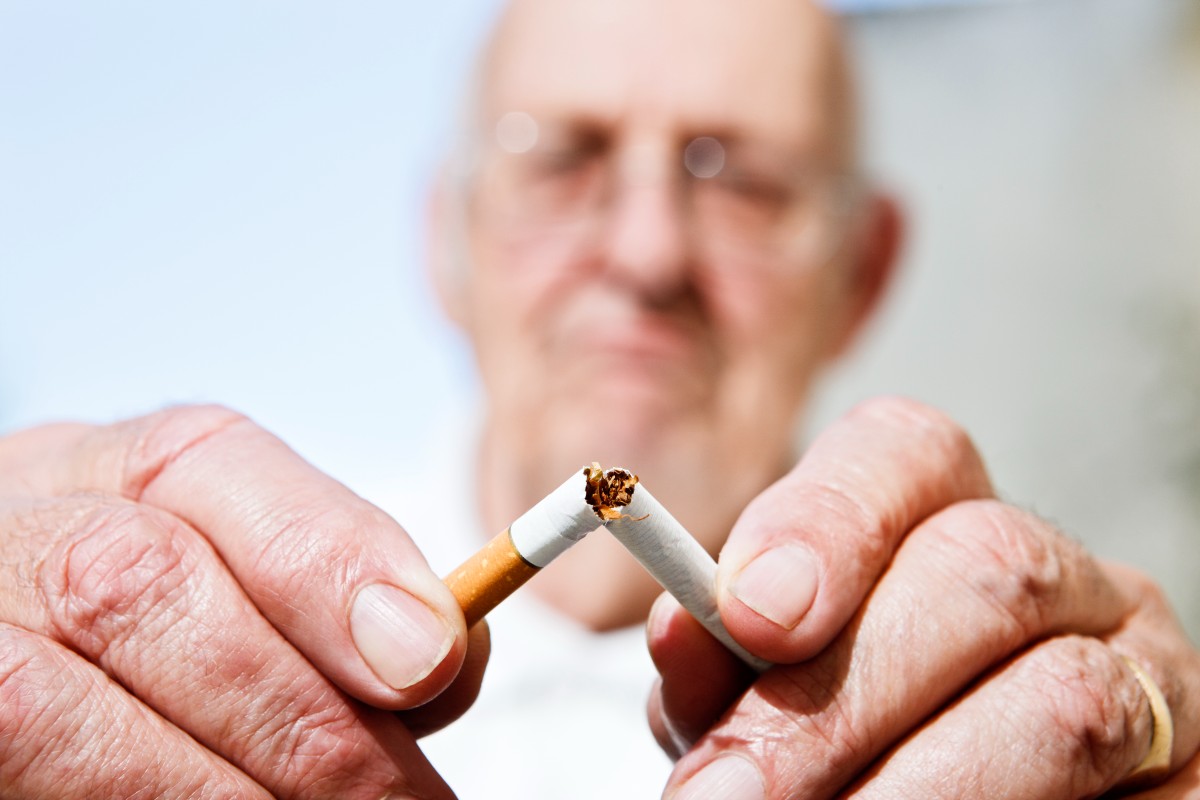
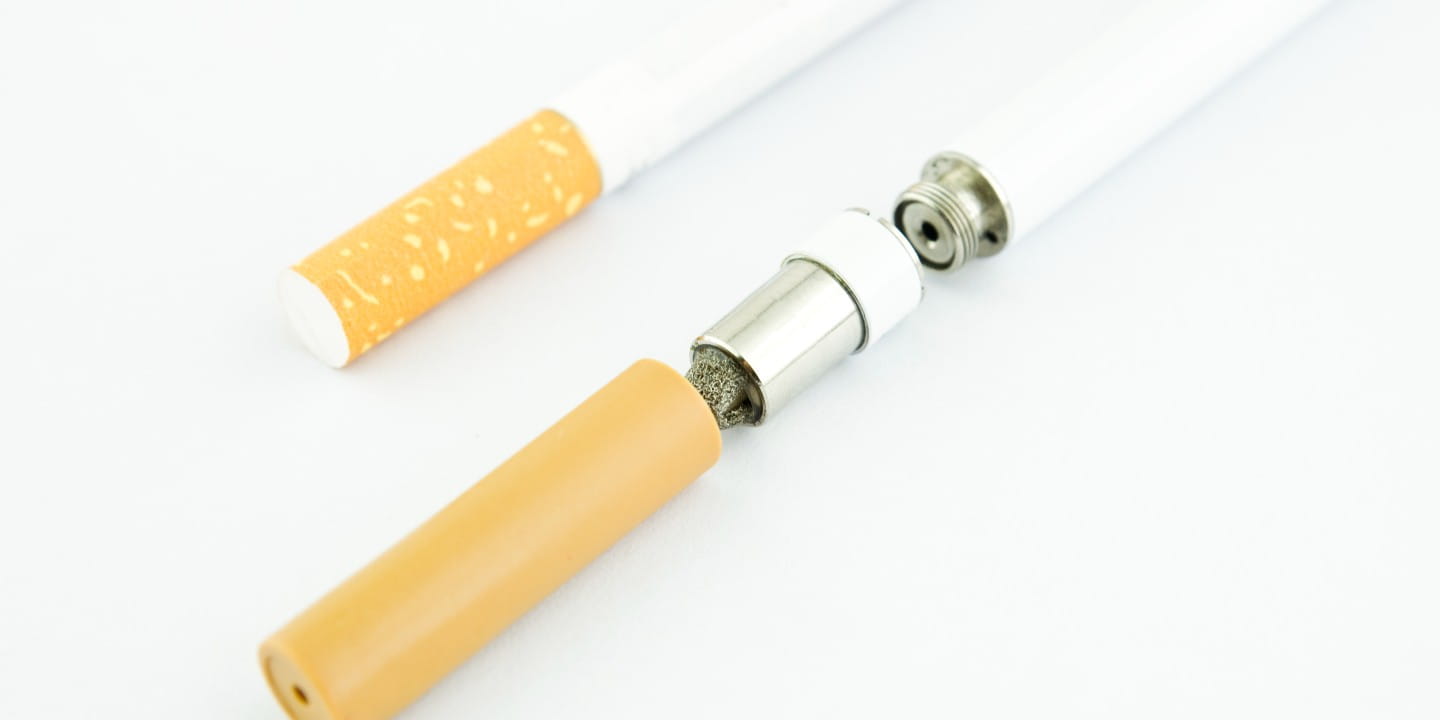
- Smoking and vaping damage every organ in your body—not just your lungs—and are leading causes of heart disease, stroke, and diabetes complications.
- Nicotine increases blood sugar, blood pressure, and insulin resistance, making smoking especially dangerous for people with diabetes.
- Vaping is not a safe alternative to smoking—it delivers harmful chemicals that damage your lungs, heart, and blood vessels.
When people think of smoking or vaping, the first health concern that comes to mind is usually cancer. While it’s true that tobacco products significantly raise the risk of many types of cancer, the reality is that smoking and vaping adversely affect nearly every organ system in the body. The damage isn’t limited to smokers themselves. Secondhand smoke and aerosol from e-cigarettes can also be harmful to those nearby.
Whether you smoke traditional cigarettes, use e-cigarettes (vapes), or consume other tobacco products like cigars, menthol cigarettes, or nicotine pouches, the consequences can be serious and far-reaching. And if you’re living with a chronic condition like diabetes, tobacco use makes managing your health even more difficult.
Let’s break down how smoking and vaping impact your body—and why quitting is one of the most important decisions you can make for your long-term health.
Nicotine: A Highly Addictive Chemical with Harmful Effects to the Cardiovascular System
Nicotine is the primary addictive ingredient in cigarettes and e-cigarettes. It stimulates the release of dopamine in the brain, reinforcing the desire to keep using tobacco. But nicotine does much more than affect your mood. It also acts as a potent cardiovascular stimulant, increasing your heart rate, blood pressure and blood sugar levels.
Nicotine causes your blood vessels to narrow and stiffen, which reduces blood flow and strains the heart. It also increases the likelihood of forming blood clots, contributing to stroke and heart attacks.
Toxic Chemicals in Cigarettes and Vape Aerosols: They Increase Cancer Risk, Disrupt Immune Function & Increase Chronic Inflammation
Traditional cigarettes contain over 7,000 chemicals, at least 70 of which are known to cause cancer. These include formaldehyde, arsenic, benzene, lead, carbon monoxide, and more.
E-cigarettes may seem like a safer option, but they still deliver toxic substances including:
- Ultrafine particles that penetrate deep into the lungs
- Heavy metals like nickel, tin, and lead
- Volatile organic compounds (VOCs) that can irritate the eyes, nose, and throat
- Flavoring chemicals, like diacetyl, which is associated with bronchiolitis obliterans (a severe and irreversible lung disease often referred to as “popcorn lung”)
These toxins inflame and damage cells in your body, contribute to chronic inflammation, and disrupt immune function.
Smoking Damages the Cardiovascular System
According to the CDC and the American Heart Association, smoking is a leading cause of cardiovascular disease. Here's how:
- Tobacco smoke causes the endothelium, the inner lining of arteries, to become inflamed and damaged. This makes it easier for cholesterol and plaque to build up, narrowing arteries and increasing blood pressure.
- Carbon monoxide from cigarette smoke binds to red blood cells, displacing oxygen and decreasing the amount of oxygen that tissues receive.
- These combined effects lead to atherosclerosis (hardening and narrowing of the arteries), a key risk factor for heart attacks, strokes, and peripheral artery disease.
Research from the National Institutes of Health and Johns Hopkins also shows that even short-term exposure to vaping aerosols reduces blood vessel function, making vaping harmful to heart health, not just smoking.
Lung Damage and Respiratory Disease
Smoking remains the number one cause of chronic obstructive pulmonary disease (COPD) and lung cancer. It destroys the tiny air sacs (alveoli) in the lungs and paralyzes cilia—tiny hair-like structures that help clear mucus and debris. This leads to chronic bronchitis, emphysema, and recurring respiratory infections.
Vaping also harms the lungs in several ways:
- Causes airway inflammation
- Triggers asthma attacks
- Has been linked to EVALI (e-cigarette or vaping product use-associated acute lung injury), a condition that caused thousands of hospitalizations and deaths
Even secondhand smoke and vape aerosol have been shown to cause lung damage in non-smokers, especially children, pregnant women, and people with asthma or compromised immune systems.
The Special Risk for People with Diabetes
If you have diabetes, the risks of smoking and vaping are even more severe. Nicotine and other chemicals in tobacco products interfere with your body’s ability to use insulin, leading to increased insulin resistance and higher blood sugar levels.
According to the CDC, smokers with diabetes are more likely to:
- Develop kidney disease
- Experience nerve damage and poor circulation, which can lead to foot ulcers and even amputations
- Suffer from vision problems and blindness
- Have heart attacks and strokes earlier and more frequently than non-smokers
Vaping is not a safer option for people with diabetes. E-cigarettes still deliver nicotine, which continues to raise blood sugar and worsen cardiovascular risk. Quitting tobacco use improves insulin sensitivity, enhances blood flow, and helps prevent complications.
Other Tobacco Products: Not Safe Alternatives
Some believe menthol cigarettes, cigars, smokeless tobacco, or nicotine pouches are safer than traditional smoking. They are not.
- Menthol cigarettes reduce throat irritation, encouraging deeper inhalation of harmful substances.
- Cigars and hookahs produce more smoke and toxins per session than cigarettes.
- Smokeless tobacco and nicotine pouches can cause gum disease, tooth loss, and oral cancers, and still deliver dangerous levels of nicotine.
All forms of tobacco and nicotine use carry serious health risks.
Secondhand Smoke and Vape Aerosol: Hidden Dangers
Exposure to secondhand smoke is linked to:
- Sudden infant death syndrome (SIDS)
- Asthma attacks and respiratory infections in children
- Increased risk of stroke, heart disease, and lung cancer in adults
Vape aerosol may look like harmless mist, but it contains nicotine, ultrafine particles, and toxic chemicals that are inhaled by everyone nearby.
There is no safe level of exposure to secondhand smoke or vape emissions.
Are You a Smoker?
If you are currently smoking or using vape products and want to quit, there are resources available for you. Learn more here.
If you are a current or former smoker, you may be eligible for the lung cancer screening and early detection program. Using low dose CT, our specialists are able to spot possible lung cancers early when it is most treatable and survival rates are highest.