Commonly Asked Questions
The Best Thing You Can Do For Your Heart
If you only do one thing for you heart health, quitting smoking or vaping is the most important step. Tobacco smoke damages the inner lining of your arteries, making it easier for cholesterol and plaque to build up. This buildup narrows the arteries, raises blood pressure, and increases the risk of serious conditions like heart attack, stroke, and peripheral artery disease. In addition, carbon monoxide from cigarette smoke reduces the amount of oxygen your red blood cells can carry, which limits the oxygen available to your tissues and organs.
It’s not just smoking that poses risks. Research from the National Institutes of Health and Johns Hopkins shows that even short-term exposure to vaping aerosols can harm blood vessel function. This means vaping is also harmful to your heart and blood vessels, not just your lungs. Both smoking and vaping increase your risk of cardiovascular problems, and quitting is one of the most effective steps you can take to protect your heart health.
Learn more about how smoking and vaping impact your heart health.
Ready to Quit Smoking? Learn more about the best practices for beating the addiction.
Keep On Moving
The American Heart Association says adults should aim for at least 150 minutes of moderate-intensity exercise or 75 minutes of vigorous activity each week.
Moderate Exercises:
- Brisk walking
- Riding a bike
- Swimming
Vigorous Exercise:
- Running
- Spin class
- Aerobic workout
It is best to spread this activity across the week. Even short bouts of activity add up. Additionally, strength training twice a week is recommended to keep muscles and bones strong. Balance and flexibility exercise, such as yoga, become especially important as you age.
But you don’t need to be an athlete to see benefits of physical activity. Just meeting the minimum recommendations can lower blood pressure, improve cholesterol, boost circulation and significantly reduce your risk of heart attack and stroke. Exercise also supports mood, energy and sleep, making it one of the best things you can do for your overall wellbeing.
Learn more about how physical activity impacts your health.
Explore the programs and facilities at the Riverside Wellness and Fitness Centers
What Is Heart Disease?
“Heart disease” is an umbrella term that covers a wide range of problem of the cardiovascular (heart & blood vessels) system. It can include heart attack, angina (chest pain), arrhythmias (irregular heart rhythms), high blood pressure, high cholesterol and even problems with the heart’s valves.
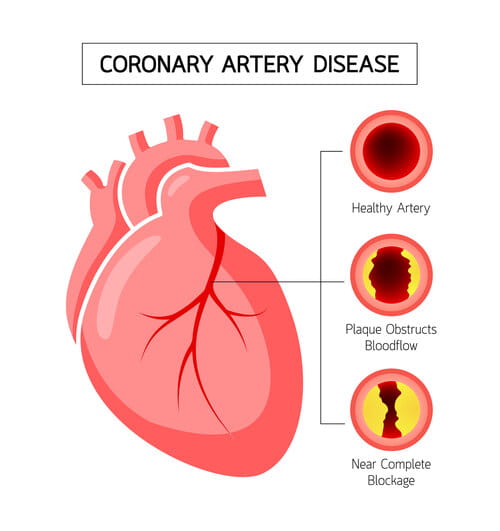
Many of these conditions are caused by atherosclerosis, the build up of plaque and fatty deposits in your arteries. When these buildups occur in the arteries that bring blood to the heart (known as the coronary arteries) it is called coronary artery disease, or sometimes heart disease.
Addressing the controllable risk factors noted above can impact the development of atherosclerosis in the arteries leading to the heart (coronary artery disease), the brain (carotid artery disease) or the blood vessels elsewhere in the body (peripheral artery disease).
Find the right Riverside program or specialist for your heart health.
Diabetes and Cardiovascular Health
Diabetes greatly increases your risk of heart disease and stroke. High blood sugar over time can damage the blood vessels and nerves that control the heart, leading to plaque build up and hardening of the arteries (atherosclerosis). This increases the risk of heart attack, high blood pressure and stroke. People with diabetes are almost twice as likely to have a heart attack or stroke compared to those without diabetes. Additional risk factors often experienced by people with diabetes, such as high blood pressure, high cholesterol, extra weight and chronic inflammation, which all add additional risk.The good news is you can lower these risks and protect your heart by making lifestyle changes and working with your doctors to address chronic conditions. Eating well, staying active, not smoking and taking medications as prescribed all make a big difference. Regular check-ups with your doctor help catch problems early, and learning the warning signs of heart attack and stroke could save your life.
The bottom line is that diabetes greatly increases your risk of a cardiovascular event like heart attack or stroke, but lifestyle changes and adherence to treatment plans can reduce the risk.
Learn more about Riverside’s Diabetes Services.
High Blood Pressure: The Silent Disease
High blood pressure (hypertension) is often called the “silent disease” because most people don’t experience any symptoms at all, even when their blood pressure is dangerously high.
The lack of symptoms is why so many adults have high blood pressure and do not even know it. In some cases, those with severe or long-standing high blood pressure may experience headaches, shortness of breath, nosebleeds, chest pain or vision problems.
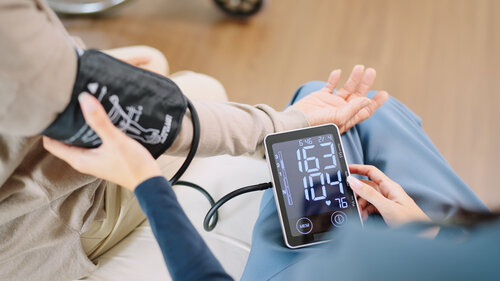
Because high blood pressure rarely causes warning signs, the only way to know your numbers is through regular screening. A normal blood pressure is below 120/80 mm Hg; consistently higher readings put you at serious risk of heart disease, stroke, kidney failure and more. As high blood pressure often develops gradually and without symptoms, checking your blood pressure regularly and working with your doctor on lifestyle changes and medications (if needed) is the best way to preserve your long-term health.
Learn more about blood pressure and how it impacts your health
Explore High Blood Pressure
Coronary & Carotid Artery Disease
The process for artery disease is the same throughout the body; Known as atherosclerosis, it is the buildup of plaque, fatty deposits and hardening of the arteries that restrict blood flow. Plaques can also break off and travel to another part of the body to block flow elsewhere.
When this process occurs in the arteries leading to the heart, known as coronary arteries, it is called Coronary Artery Disease. Coronary Artery Disease places you at high risk of a heart attack due to the restricted blood flow to the heart, or a plaque breaking off and blocking the coronary arteries completely.
When the atherosclerosis occurs in the artery leading to the brain, known as the carotid artery, it is called Carotid Artery Disease. Carotid Artery Disease places you at high risk of stroke due to the restricted or blocked blood flow to the brain.
Similarly, when the process occurs elsewhere in the body it is described by where it occurs, such as Peripheral Artery Disease (risks blocking blood flow to legs and feet), Renal Artery Disease (risks blocking blood flow to the kidneys) or Mesenteric Artery Disease (risks blocking blood flow to the intestines).
No matter where the artery disease occurs, lifestyle and medication can address the atherosclerosis. Managing cholesterol through diet and medication, addressing diet, stress and activity levels to help manage blood pressure, and not smoking are all important. By addressing the controllable risk factors noted above along with taking medication as prescribed, you can work to improve your cardiovascular health, reducing your risk of heart attack or stroke.
Explore Riverside’s Heart & Vascular Services
Heart Health is Complex
Even with healthy habits, heart disease risk doesn’t disappear. Some things you can’t control, such as age, family history or other medical conditions, still play a role in your heart health. Even people who live a very healthy lifestyle can develop high cholesterol of high blood pressure without even realizing it.The best way to stay protected is to keep your health lifestyle and add regular check-ups with your primary care provider. They can help you review your individual risk of cardiovascular disease as well as conduct routine screenings to catch any problems early.
Calculating Your Risk of Heart Disease
Cardiac Arrest vs Heart Attack vs Stroke
Understanding the difference between a stroke, heart attack and cardiac arrest is important, as they affect the body in different ways.Stroke
A stroke happens when blood flow to part of the brain is disrupted, either by a blocked artery or a burst blood vessel. Without enough oxygen, brain cells begin to die, which can affect speech, movement, vision, or other functions depending on which part of the brain is involved. Risk factors include high blood pressure (the leading cause), diabetes (which more than doubles stroke risk), high cholesterol, certain heart conditions (like atrial fibrillation), smoking, obesity, and age.
Heart Attack
A heart attack (or myocardial infarction) occurs when a blockage in the coronary arteries prevents oxygen-rich blood from reaching a part of the heart. That area of the heart begins to suffer damage or die if blood flow isn’t quickly restored. Symptoms might include chest pressure, shortness of breath, nausea, or discomfort in the arms, neck, or back.
Cardiac Arrest
A cardiac arrest is very different from stroke or heart attack. It’s when the heart suddenly stops beating properly, usually because of an electrical malfunction. During cardiac arrest, blood stops flowing to the brain and other vital organs, and without immediate treatment (CPR, or a defibrillator / AED) the person can die within minutes. While a heart attack can sometimes trigger a cardiac arrest, not all heart attacks do.
All Are Emergencies
Knowing the signs and differences between these conditions can save lives. Quick action if any of these conditions are suspected is important. Calling 911 right away gives the best chance for immediately medical treatment, survival and recovery.
Learn more about reducing you risk of stroke.
Learn more about the differences between heart attack and cardiac arrest.

Women’s Heart Health
Heart disease is actually the leading cause of death for women, killing more women each year than all types of cancer combined. In fact, the American Heart Association estimates cardiovascular disease is responsible for 1 in 3 women’s deaths (nearly one every minute!).For decades, heart research was based mainly on the experiences of men and the cardiovascular risks women faced went unrecognized. Today physicians and researchers better understand how women’s hearts cam be affected differently than men’s hearts, leading to increased awareness and improved care.
Some heart conditions are actually more common in women than men, including microvascular angina, coronary artery vasospasm, spontaneous coronary artery dissection (SCAD) and Takotsubo cardiomyopathy ("broken heat syndrome”). National efforts like the American Heart Association’s Go Red for Women campaign and programs like Riverside’s Women’s Heart Center are helping women learn about their risks, recognize unique symptoms, seek care early and take charge of the heart health. By raising awareness and tailoring care, women can be better equipped to protect their hearts and lives.
Explore Riverside’s Women’s Heart Center
Heart attack symptoms women often miss.
Heart disease risk factors for women
High Cholesterol Can Be A Surprise
High cholesterol, also called hyperlipidemia, is often a “silent” condition because most people don’t experience any symptoms at all. You can feel completely healthy and still have cholesterol levels high enough to increase your risk of heart attack or stroke. That’s why routine screening with a simple blood test (called a lipid panel) is so important. It is the only way to know your numbers.In rare cases of extremely high cholesterol, there may be visible symptoms such as yellowish deposits around the eyes or tendons called xanthomas, but these are very rare. Often high cholesterol isn’t noted until it has caused atherosclerosis with plaques blocking blood flow causing chest pain, heart attack or stroke.
Regular check-ups along with a heart healthy lifestyle (and medication if needed) are the best ways to identify and manage cholesterol to prevent long term complications.
Learn more about what cholesterol is.
Explore more about high cholesterol and ways to lower your cholesterol.
Signs & Symptoms of Heart Attack
A heart attack (also called myocardial infarction), happens when blood flow to part of the heart is blocked, causing heart muscle to begin dying without the oxygen it needs. Classic symptoms include chest pressure, pain or discomfort (often described as pressure, tightness, fullness or squeezing) that lasts for several minutes or comes in waves. Other common signs include pain or discomfort in the upper body *arms, jaw, back), shortness of breath, nausea, cold sweat, lightheadedness or feeling full or like you have indigestion.Women may experience more subtly symptoms that may go unnoticed. Women may have chest pressure, but not always. They may have a feeling of unusual fatigue, trouble sleeping, jaw, neck or back pain, indigestion, nausea or a sense of dread.
Because every minute matters in a heart attack, if you notice any of these warning signs, even if you aren’t sure, call 911 immediately.
Read about signs and symptoms of a heart attack
Learn more about heart attack signs women often miss.
Explore Riverside’s heart and vascular services.
Cardiovascular Disease Can Affect Anyone, At Any Age
While older adults are at an increased risk of cardiovascular disease and having a cardiovascular even like heart attack or stroke, people can have heart problems at any age.To get a better idea of your personal risk, talk to your primary care provider about your cholesterol, blood pressure and other risk factors.
Learn more about cardiovascular risk assessments.
Healthy Fats vs Unhealthy Fats
Fats are an essential part of your diet, but not all fats are created equal.Healthy Fats
They provide long-lasting energy, support brain health, regulate hormones and help your body absorb vitamins. These fats, especially unsaturated and omega-3 fats, protect your heart by lowering you “bad” LDL cholesterol and reducing inflammation. Choosing these nutrient dense fats gives your body more value per calorie and supports long term health.
Sources of healthy fats include: olive oil, avocados, nuts, seeds and fatty fish
Unhealthy Fats
These fats, like trans-fats and excessive saturated fats can raise the “bad” LDL cholesterol, lower “good” HDL cholesterol and increase the risk of obesity, diabetes and heart disease. These fats are often paired with added sugars, salts and refined carbs, making them even more harmful when consumed regularly.
Sources of unhealthy fats: processed foods, baked goods made with shortening, full-fat dairy products (like butter, cheese ice cream), fatty cuts of meat and poultry with skin.
By limiting unhealthy fats and replacing them with healthy fats, you can protect your cardiovascular system, improve health and support your overall wellbeing.
Learn more about healthy and unhealthy fats and how they impact cholesterol
Learn more about how food impacts your health

High Risk Pregnancies Can Mean Increased Risk
High‐risk pregnancies can impact your long-term heart health in important ways. Conditions like gestational hypertension (high blood pressure during pregnancy), preeclampsia, and gestational diabetes don’t just pose risks to the mother and baby at the time, they also increase a woman’s future risk of cardiovascular disease.For example, women who develop gestational diabetes are at significantly higher risk of having a heart attack or stroke later in life compared to those who don’t. Similarly, hypertensive disorders during pregnancy are linked with increased risk of chronic high blood pressure, coronary artery disease, and heart failure down the road.
The good news is that these elevated risks can be managed with early detection and healthy habits. Even years after a high-risk pregnancy, regular cardiovascular screening (blood pressure checks, cholesterol, glucose levels) is important. Lifestyle changes, such as maintaining a healthy weight, eating more fruits and vegetables, getting regular physical activity, quitting smoking, and limiting sugary drinks, help reduce risk. Maintaining healthy habits during and after pregnancy can make a big difference in lowering lifetime heart disease risk.
Learn more about how high risk pregnancies impact heart health.
Explore Riverside’s Women’s Heart Center.
Stroke Signs and Symptoms
A stroke, sometimes called a “brain attack,” happens when blood flow to part of the brain is suddenly blocked (ischemic stroke) or when a blood vessel in the brain ruptures (hemorrhagic stroke), depriving brain cells of oxygen and nutrients. Because brain cells begin to die quickly, time is of the essence. The faster treatment begins, the better the chances for recovery.To help recognize a stroke, remember BE FAST:
Balance — sudden loss of balance or coordination
Eyes — sudden vision loss or blurred vision in one or both eyes
Facial drooping — one side of the face may droop or feel numb
Arm weakness — sudden weakness or numbness in one arm or leg
Speech — difficulty speaking or understanding speech, or slurred speech
Time — call 911 immediately if you see any of these signs, even if they’re mild.
Sometimes, symptoms go away on their own (a transient ischemic attack, or TIA), to but it’s still critical to get medical care, because a TIA could be a warning that a full stroke might happen soon.
Learn more about signs and symptoms of stroke.
Learn more about Riverside’s Comprehensive Stroke Program.
Importance of an Annual Physical
Yes. An annual physical helps catch health problems early, often before you notice symptoms.Even if you feel completely healthy, conditions like high blood pressure, high cholesterol, or prediabetes can develop quietly without obvious warning signs. During your visit, your provider will check key health measures, review your family history, update vaccinations, and recommend screenings based on your age and risk factors. This proactive approach makes it easier to prevent illness or manage issues before they become serious.
Annual physicals also provide an important opportunity to build a stronger relationship with your doctor. By seeing you regularly, your provider can track changes over time and offer personalized advice to help you maintain good health. Think of it as a yearly investment in your wellbeing, one that supports both prevention and peace of mind.
Learn more about why annual physicals matter.
Explore what screenings are recommended at what age.
Prediabetes
Prediabetes means your blood sugar is higher than normal but not yet high enough to be diagnosed as type 2 diabetes. It’s a warning sign that your body is starting to have trouble using insulin properly, which can raise your risk for type 2 diabetes, heart disease, and stroke if left unaddressed. Most people with prediabetes don’t notice any symptoms, which is why regular blood tests, like A1C or fasting glucose, are essential for early detection.
The good news is that prediabetes can often be reversed. Research shows that modest weight loss, regular physical activity, and healthier eating habits can bring blood sugar levels back into a healthy range. With early action, you can lower your risk of serious complications and take charge of your long-term health.
Learn more about prediabetes.
Explore Riverside Diabetes Services’ classes on prediabetes, weight loss and more.