
Stroke
Stroke Prevention

Protecting Your Brain and Your Health

Stroke is a leading cause of serious disability and death, but the good news is that many strokes are preventable. Understanding your risk factors and making healthy choices can make a big difference. Whether you are trying to prevent your first stroke or avoid a second one, taking action now can help you live a longer, healthier life.

Risk Factors for Stroke

Risk Factors You Cannot Control (Non-Modifiable)
  • Age: Your risk of stroke increases as you get older.
  • Family history: If close family members have had a stroke, your risk may be higher.
  • Race and ethnicity: African Americans, Hispanic Americans, and Native Americans are at higher risk.
  • Sex: Women are slightly more likely than men to have a stroke, and they often have worse outcomes.
  • Prior stroke or transient ischemic attack (TIA): A history of stroke or TIA greatly raises your risk for another stroke.


Risk Factors You Can Control (Modifiable)


Lifestyle Changes to Help Prevent Stroke

By focusing on cardiovascular health, you can work to decrease your risk of both heart attacks and strokes. Getting and staying healthy can be hard work, but don’t be overwhelmed. Focus on a few areas to start with and work towards your goals.

  1. Eat a healthy diet: Fill your plate with fruits, vegetables, lean proteins, whole grains, and healthy fats. Try to limit salt, sugar and processed foods.

  2. Be active: Aim for 30 minutes of moderate exercise, like walking or biking, most days of the week. (The recommendation is at least 150 minutes of exercise per week.)

  3. Get enough good sleep: Poor sleep increases your risk for many health problems. Limit alcohol, manage stress, limit exposure to screens in the evenings and get treated for sleep apnea if needed.

  4. Maintain a healthy weight: Losing even a small amount of weight can lower risk.

  5. Stop smoking: Smoking damages blood vessels and increases your risk of stroke and heart attack. Ask your doctor about programs or medications that can help you quit.

  6. Manage blood sugar: If you have diabetes or prediabetes, keeping your blood sugar within target range helps protect your blood vessels and your brain. Minimize added sugar.

  7. Control Cholesterol: Work with your doctor to keep your cholesterol at a healthy level through diet, exercise, and medications if needed.

  8. Manage Blood Pressure: High blood pressure is the leading cause of stroke. Maintain a healthy diet, stay active, manage stress, and take medications if prescribed to keep your blood pressure in a healthy range. Minimize added salt.

Two young adults with backpacks in park

Managing Underlying Medical Conditions

Many health conditions can raise your risk of stroke. Most people know that cardiovascular problems like high blood pressure, high cholesterol, obesity, and diabetes can increase stroke risk. However, other medical conditions can also make a difference. The conditions listed below are important to be aware of. If you have or think you might have any of these health issues, talk with your doctor about the best ways to manage them and lower your risk of stroke

Preventing a Second Stroke

If you have already had a stroke or TIA, your risk of another stroke is higher, but you can take steps to lower it:

  • Take your medications as prescribed: This may include blood thinners, blood pressure medicine, or cholesterol-lowering drugs.
  • Work with your healthcare team: Regular check-ups are important to monitor your condition.
  • Watch for new symptoms: Report any sudden numbness, weakness, trouble speaking, or vision problems immediately.
  • Manage underlying health conditions: Whether through lifestyle modifications, medication or surgical interventions, work to control health problems that increase your risk of stroke.
  • Make lifestyle changes: Healthy habits are even more important after a stroke.

Take Charge of Your Health

Stroke prevention is possible. By working with your healthcare team, making healthy lifestyle choices, and managing your medical conditions, you can greatly reduce your risk of stroke. Small changes today can protect your brain and your future.

If you have questions about stroke prevention or need help creating a plan, Riverside is here to help.

Having a primary care provider to help you determine and reduce your risk of stroke is important. If you don’t have a primary care provider, visit Riverside Primary Care to find one near you. If you already have Riverside PCP and need to make an appointment or ask a question, you can always reach out using MyChart.


Healthy YOU Resources for Stroke Prevention

Black daughter and father in woods

How can I reduce my risk of having a stroke?

April 27, 2022

A stroke occurs when the brain loses its blood supply due to a blockage or a bleed. Without access...

Brain and Spine Heart and Vascular +1 More
Brain and Spine

6 reasons women have a higher risk of stroke than men

Learn More
Women exercising with dog
Brain and Spine

Why a TIA or “ministroke” is a big deal

April 28, 2022
Learn More
Male adult looking tired and stressed out holding his head
Heart and Vascular Primary Care

AFib and Stroke: Know the Risk & How to Prevent It

November 18, 2021
Learn More
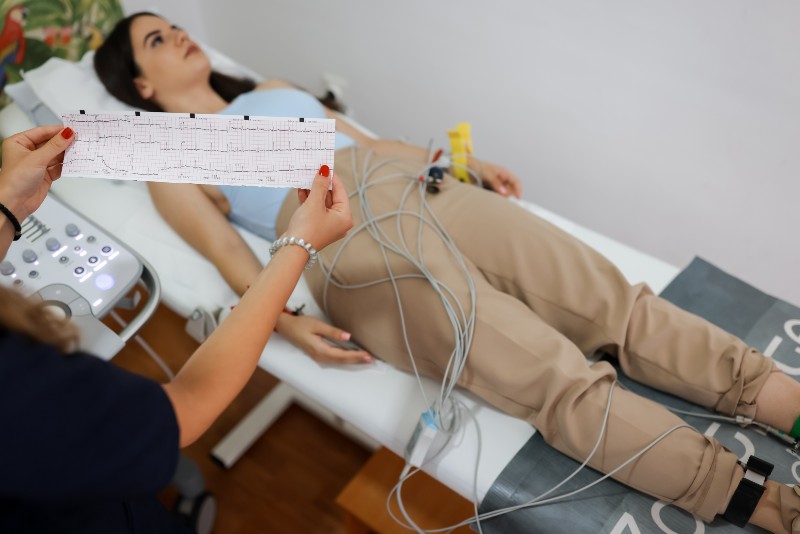
Young female patient having electrocardiogram exam
Neurology Podcast Episodes

Healthy YOU Podcast: Stroke - Prevention, Signs and Symptoms

May 03, 2023
Learn More
Stroke - Prevention, Signs, and Symptoms