Rebuilding Strength, Skills and Independence After a Stroke
Every stroke is different, and so is every recovery. A stroke can affect how a person moves, talks, eats, thinks, or even feels. Tasks that used to be simple, like holding a cup, walking across a room, or having a conversation, can suddenly become difficult. But stroke survivors are not alone. A dedicated team of rehabilitation specialists is here to help each patient rebuild skills, regain independence, and improve quality of life.
Understanding Stroke Rehabilitation
Stroke rehabilitation is a critical part of the recovery process because a stroke can damage or destroy parts of the brain responsible for movement, speech, memory, and other vital functions. When this happens, the usual neurological pathways (the connections the brain uses to control the body) can be disrupted or lost. As a result, the brain must learn how to reroute messages and create new pathways to regain lost abilities.
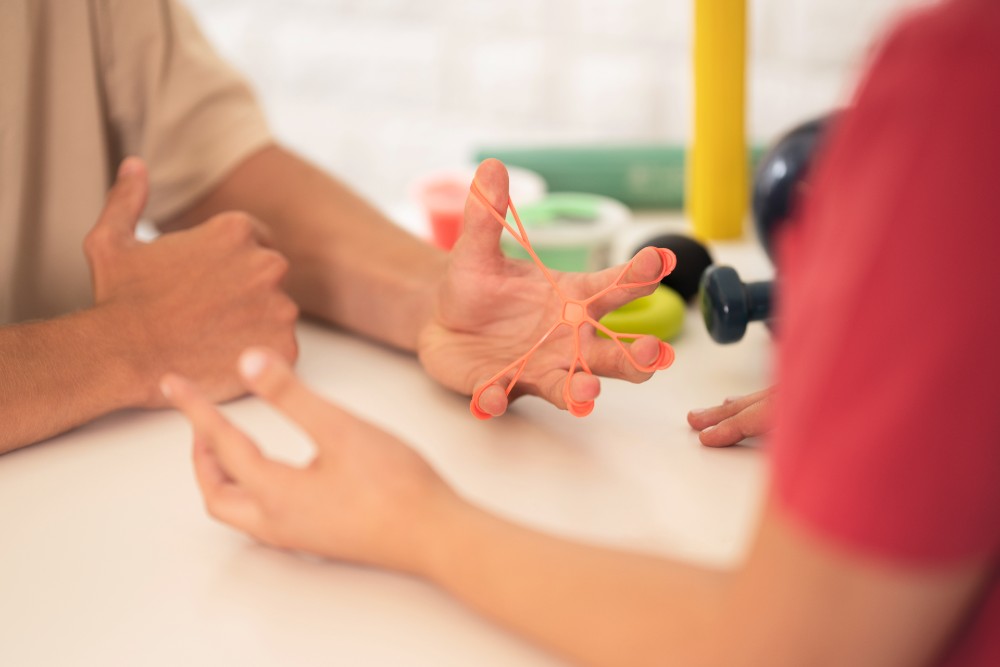
Rehabilitation helps “train the brain” to adapt by using therapy and repetition to strengthen remaining neural connections or form new ones. This process, called neuroplasticity, allows different parts of the brain to take over tasks once handled by the damaged area. Rehab also helps prevent further health problems and teaches patients new ways to do everyday activities safely and independently.
The Importance of Early Rehabilitation
Rehabilitation usually begins as soon as a patient is medically stable, often within 24 to 48 hours after the stroke. The type and intensity of therapy depend on which part of the brain was affected, how severe the stroke was, and the patient’s overall health.
Starting stroke rehabilitation early is one of the best ways to improve recovery. Research shows that the first 90 days after a stroke are a critical window for the brain to heal and reorganize itself. During this time, patients often make the most progress.
Early rehab helps:
- Maximize the brain’s ability to rewire and recover
- Reduce complications like muscle stiffness, pressure sores, and blood clots
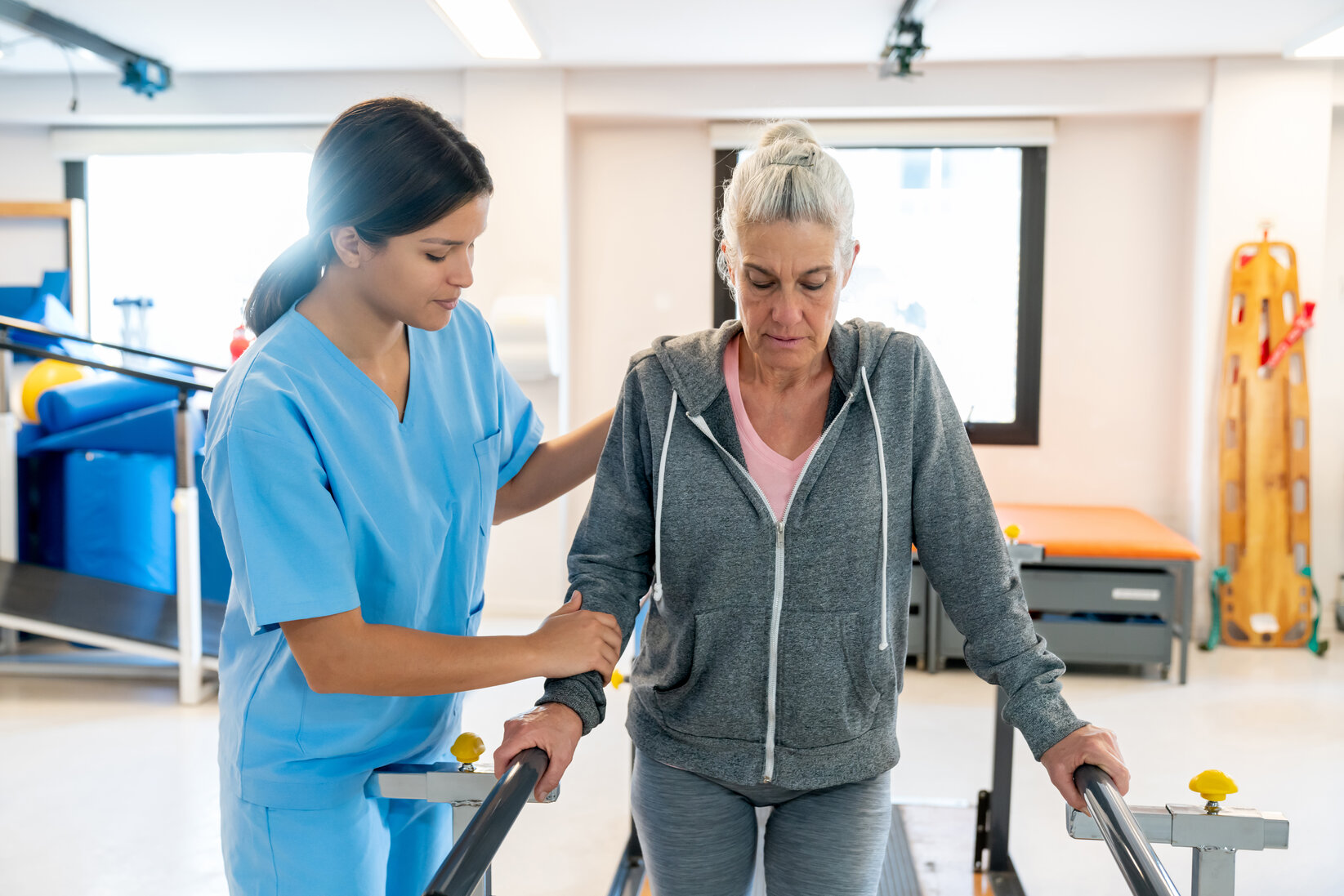
- Restore physical strength and mobility
- Improve communication, thinking, and self-care skills
- Build confidence and promote emotional healing
By beginning therapy quickly and continuing it consistently, stroke survivors can make significant gains and regain greater independence in their daily lives.