How Are Astrocytomas Treated?
Treatment for astrocytomas is personalized based on tumor grade, size, location, and patient age and health. Treatment may involve one or more of the following approaches:
Brain Tumor Surgery
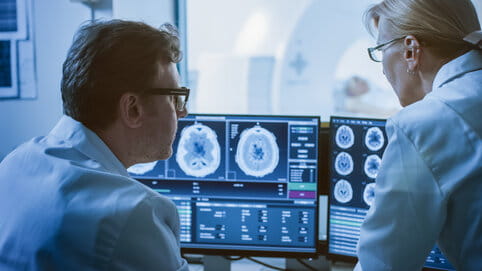
Surgical removal of astrocytomas is often the first step for both diagnosis and treatment. The goal is to remove as much of the tumor as possible without damaging healthy brain tissue. The surgery also enables the clinical team to get a sample of the tumor tissue to confirm the diagnosis with pathology.
- Grade I tumors may be cured with surgery alone.
- For higher-grade tumors, surgery is typically followed by radiation and chemotherapy.
- In some cases, minimally invasive techniques and intraoperative imaging are used to improve precision and outcomes.
Recovery varies depending on the extent of surgery and tumor location. Patients typically work with a multidisciplinary team including neurosurgeons, oncologists, and rehabilitation specialists.
Medical Management
- Corticosteroids to reduce brain swelling and relieve pressure-related symptoms.
- Anti-seizure medications to control epilepsy caused by tumor irritation of the brain.
- Targeted therapies and chemotherapy (e.g., temozolomide) are often used in higher-grade tumors and can be tailored based on genetic mutations.
Radiation Therapy & Radiosurgery
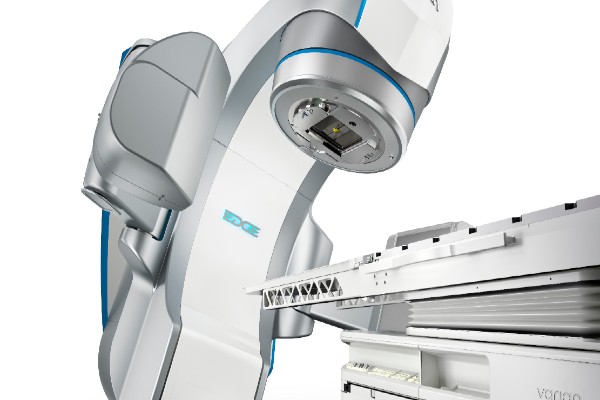
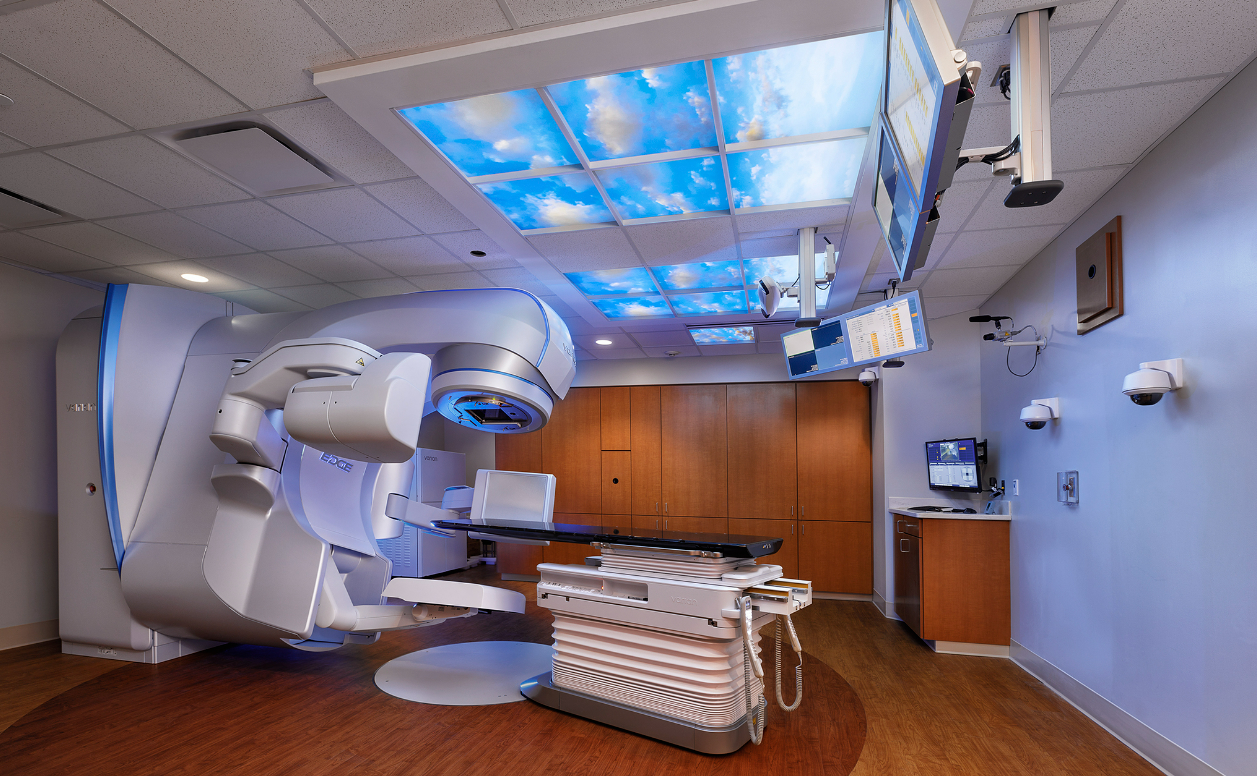
Radiation therapy for astrocytomas uses high-energy beams to kill tumor cells or prevent further growth. It may be used:
- Post-surgery to target remaining tumor cells
- As a primary treatment for inoperable tumors
- In combination with chemotherapy
Advanced techniques like stereotactic radiosurgery (SRS) with the Gamma Knife help deliver precise radiation while minimizing damage to healthy tissue.