• Careers
  • About
  • Contact Us
  • Care Estimates
  • Pay My Bill
  • Give Now
  • MyChart Login
  • Schedule Appointment
Riverside Health

Riverside Health

  • Medical Services
    • Diagnostic and Imaging
    • Cancer Care
    • Gastroenterology
    • Heart and Vascular
    • Lifelong Health
    • Mental Health
    • Neurological and Spine Institute
    • Orthopedics
    • Primary Care
    • Urgent Care
    • Women's Health
    • View All Services
  • Conditions & Treatments
  • Locations
  • Find a Doctor
  • Patients & Visitors
    • Accepted Insurance
    • Care Estimates
    • Conflict Resolution
    • Patient Rights
    • Paying for Healthcare Services
    • Recognize a Caregiver
    • Send a Web Wish
    • Volunteer
  • Health Resources
    • Clinical Trials
    • Events
    • Healthy You Blogs
    • Healthy You Podcast
    • Riverside Simulation Training Lab
    • Symptom Checker
  • Careers
  • About
  • Contact Us
  • Care Estimate
  • Pay My Bill
  • Give Now
  • MyChart Login
  • Schedule Appointment
  • News Center
Need Help?

For help in finding a physician, making appointments and general information call Riverside Nurse.

1-800-675-6368
Follow Us Today
  • Twitter
  • Facebook
  • LinkedIn
  • Instagram
  • YouTube
Neurological and Spine Institute
  • Spine
    • Why Riverside
    • Prevention and Wellness
    • Managing Back Pain
    • Seeking Medical Help
    • Rehab
    • Anatomy of the Spine
    • Conditions
    • Treatments
    • Patient Stories
  • Parkinsons Disease and Movement Disorders Program
    • Movement Disorder Conditions
    • Movement Disorder Team
    • MRI Focused Ultrasound
    • Support and Education
    • Supportive Therapies and LSVT BIG and LOUD
    • Treatment Options for Movement Disorders
    • Patient Stories
  • Programs and Services
  • Neurology
    • Diagnostic Tests
    • Services
    • Support Groups
  • Stroke Services
  • Memory Care Program
    • Riverside Memory Svcs
    • The Martha W. Goodson Center
    • Healthy You Memory Care
    • Caregiver Support Groups
    • Caregiver Resources
    • Workshops and Online Learning
  • Neurosurgery
    • Functional Neurosurgery Services
    • Your Neurosurgery Team
    • Services
    • Technology
  • Neurovascular Services
    • Cerebral Aneurysm and Vascular Malformation Services
  • Brain and Spinal Tumors
    • Astrocytomas
    • Brain Metastases
    • Choroid Plexus Papilomas
    • Craniopharyngiomas
    • Ependymomas
    • Gliomas
    • Meningiomas
    • Pituitary Adenomas
    • Schwannomas
  • Home
  • Medical Services
  • Neurological and Spine Institute
  • Brain and Spinal Tumors
  • Ependymomas
  • Icon Label
    • Icon Label
    • Twitter
    • Icon Label
  • Icon Label

Ependymomas

  • Key Points
  • Overview
  • Causes
  • Symptoms
  • Diagnosis
  • Treatment
  • Next Steps
Key Points

  • Ependymomas are rare brain and spinal cord tumors that arise from ependymal cells and can affect both children and adults, sometimes causing fluid buildup in the brain (hydrocephalus).
  • Symptoms depend on tumor location, with brain tumors causing headaches, balance issues, and nausea, while spinal tumors may lead to back pain, numbness, and limb weakness.
  • Diagnosis involves MRI imaging and surgical specimens which allows for molecular testing to determine tumor type and guide treatment planning.
  • Surgical removal is the primary treatment, sometimes followed by radiation therapy to prevent recurrence.

Overview

Ependymomas are rare central nervous system (CNS) tumors that form from ependymal cells, which line the brain's ventricles and the central canal of the spinal cord. These tumors can occur in both the brain and spinal cord and affect children and adults alike.

While some ependymomas are slow-growing and benign, others may be more aggressive. Ependymomas can block the flow of cerebrospinal fluid, causing hydrocephalus (fluid buildup in the brain) that will increase intracranial pressure, leading to a variety of neurological symptoms. Effective treatment often requires a combination of surgery, radiation, and long-term monitoring.

What Are Ependymomas?

An ependymoma is a glial tumor that arises from the ependymal cells within the ventricular system of the brain or the spinal cord. These tumors are classified by the World Health Organization (WHO) into three grades:

  • Grade I (Subependymoma, Myxopapillary Ependymoma) – Benign and slow-growing
  • Grade II (Classic Ependymoma) – Intermediate behavior
  • Grade III (Anaplastic Ependymoma) – Malignant and more aggressive

Ependymomas can occur anywhere along the central nervous system, though common sites include the posterior fossa in children and the spinal cord in adults.

Who Gets Them and When?

Ependymomas can occur at any age, but incidence varies by age and tumor location:

  • Children (especially under 5 years old) are more likely to develop ependymomas in the brain
  • Adults (typically 20–40 years old) are more likely to develop spinal cord ependymomas
  • Males and females are affected at similar rates, though a slight male predominance is seen in pediatric cases

Back to top

Causes

What Causes Ependymomas?

The exact cause of ependymomas is still unknown. Most cases are considered sporadic, meaning they occur randomly without a known genetic or environmental trigger. Some ependymomas have been linked to chromosomal abnormalities, especially in children.

In rare cases, ependymomas may be associated with genetic conditions such as neurofibromatosis type 2 (NF2), which increases the risk of spinal tumors.

What Are the Causes and Risk Factors of Ependymomas?

Known and suspected risk factors include:

  • Sporadic genetic mutations in ependymal cells
  • Genetic syndromes, particularly neurofibromatosis type 2 (NF2)
  • Age – Young children are at greater risk for brain ependymomas; adults for spinal ependymomas
  • Location in the CNS – Different risk profiles depending on whether tumors form in the brain or spine

Back to top

Symptoms

What Are the Signs and Symptoms of Ependymomas?

Symptoms of ependymoma vary based on tumor location and whether it interferes with cerebrospinal fluid flow or compresses nearby nerves.

Brain Ependymoma Symptoms:

  • Persistent headaches, often worse in the morning
  • Nausea and vomiting
  • Balance and coordination issues
  • Vision problems
  • Irritability or lethargy in young children
  • Seizures (in some cases)

Spinal Ependymoma Symptoms:

  • Back or neck pain
  • Numbness or tingling
  • Weakness in arms or legs
  • Difficulty walking
  • Loss of bladder or bowel control
  • Infants: signs may also include a rapidly enlarging head due to hydrocephalus

Back to top

Diagnosis

How Are Ependymomas Diagnosed?

A diagnosis is typically made through a combination of neurological exams, imaging, and pathological analysis:

  • MRI (Magnetic Resonance Imaging): The preferred imaging method to assess tumor location and size
  • CT scan: May be used in urgent cases or to evaluate hydrocephalus
  • Lumbar puncture (spinal tap): Performed after surgery to check for cancer cells in cerebrospinal fluid
  • Surgical biopsy or resection: Confirms diagnosis and provides information on tumor grade and molecular markers
  • Molecular testing: Identifies subtypes and may influence treatment decisions, particularly in children

Back to top

Treatment

How Are Ependymomas Treated?

Ependymoma treatment typically involves a multidisciplinary approach that includes surgery, radiation therapy, and chemotherapy in some cases. The primary goal is to remove the tumor, relieve pressure, and reduce the chance of recurrence.

Surgical Treatment 

Surgery is the first-line treatment for ependymoma and is most effective when the tumor can be completely removed (gross total resection): 

  • Brain tumors: Require precise removal to avoid damage to critical areas 
  • Spinal tumors: Surgery may include decompression and stabilization 
  • Intraoperative imaging and navigation tools help improve safety and surgical outcomes 
  • Postoperative follow-up is essential to monitor for recurrence and manage complications 

Radiation Therapy & Radiosurgery 

Radiation is commonly used after surgery to kill remaining tumor cells and prevent regrowth: 

  • External beam radiation therapy (EBRT) is the standard 
  • Proton beam therapy may be used to minimize radiation to healthy brain tissue 
  • Craniospinal irradiation (CSI) is required if the tumor has spread through the spinal fluid 
  • Stereotactic radiosurgery may be an option for small, recurrent tumors 

Medical Treatment

Chemotherapy is not routinely used for ependymomas but may be recommended:

  • For children under age 3, to delay radiation
  • In cases of recurrent or inoperable tumors
  • As part of clinical trials or experimental therapies

Medications such as anti-seizure drugs, steroids, or pain relievers may be prescribed to manage symptoms.

Back to top
Next Steps

Expert Ependymoma Care

If you or a loved one has been diagnosed with an ependymoma, our expert team is here to provide cutting-edge care and compassionate support.

Contact us today to schedule an appointment or learn more about your treatment options.

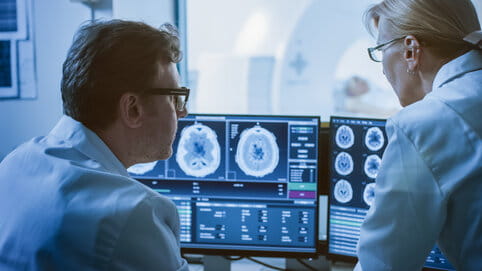
In Control Room Doctor and Radiologist Discuss Diagnosis

Riverside Brain Tumor Program

Riverside’s Brain Tumor Program brings together the best of both the Riverside Neurological and Spine Institute with the Riverside Cancer Network. Learn more about the program, the team and the types of brain tumors commonly seen.

Explore the Program
Back to top
Neurosurgeons Group

Riverside Hampton Roads Neurosurgical and Spine Specialists

Meet the neurosurgeons who care for patients with brain tumors, including ependymomas.

Meet Riverside’s neurosurgical and spine specialists

Riverside Health

Our mission to care for others as we would care for those we love drives us to support a number of health, education and community programs.

  • Twitter
  • Facebook
  • LinkedIn
  • Instagram
  • YouTube
  • News Center
  • Nursing Recruitment & Resources
  • Price Transparency
  • Provider Recruitment & Engagement
  • Riverside Foundation

Need Help?

For help in finding a physician, making appointments and general information call Riverside Nurse.

1-800-675-6368
  • Privacy Policy
  • Non-Discrimination Policy
  • Web Privacy Policy
©2025 - Riverside Health | All right reserved
Schedule Appointment Symptom Checker Contact Us