
Riverside Stroke Team
Meet the team caring for patients experiencing a stroke.

Dedicated Experts Working Together for You
When a stroke happens, it takes a coordinated team of experts to act quickly and effectively. The journey begins with the paramedics who arrive after a 911 call, continues in the emergency department with skilled nurses and physicians, and moves forward with our experienced neurologists, neurovascular specialists, and neurosurgeons. After treatment, rehabilitation specialists, physical therapists, occupational therapists, speech language pathologists and your primary care provider guide you through recovery, helping you regain independence and prevent future strokes.
Get to know some of the exceptional professionals on Riverside’s stroke team and learn how their expertise supports you from the first urgent moments through your recovery.
EMS and Paramedics
EMS & Paramedics
By calling 911 when you suspect a stroke, you bring the experts directly to you. When EMS partners across Hampton Roads arrive, they will do a quick assessment of the patient. If they suspect a stroke, they let the emergency room know before you even arrive so the team can be ready and waiting for you. Every person on the team knows time is brain when it comes to a stroke, so the communication between the ambulance and the emergency team helps save precious minutes.
Learn more about what to expect from EMS when you call 911 for a suspected stroke with this behind the scenes glimpse with York County EMS.
Behind the Scenes with EMS: Critical Care During a Stroke
Emergency Room
Emergency Room
When you arrive in the emergency department, you will be seen by a team of emergency physicians, nurses and technicians who will work quickly to evaluate you for a stroke. The process moves quickly so a diagnosis can be made and a treatment plan determined as soon as possible.
Behind the Scenes: Inside the ED During a Stroke
Neurologists
Neurologists
Neurologists are physicians who specialize in diseases and disorders of the brain and nervous system.
In the emergency room you may interact with a tele-neurologist, a neurologist you visit with via video connection, so no time is wasted in getting a diagnosis.
During your stay in the hospital, you may see a neurologist who only sees patients inside the hospital. Sometimes these physicians are called neuro-hospitalists, as they have a hospital-based practice instead of seeing patients in an outpatient clinic.
Neurologists oversee the medical management of stroke, such as receiving the “clot-busting” drugs known as thrombolytics.
Learn more about Riverside Neurology Specialists.
Neurovascular Specialists
Neurovascular Specialists
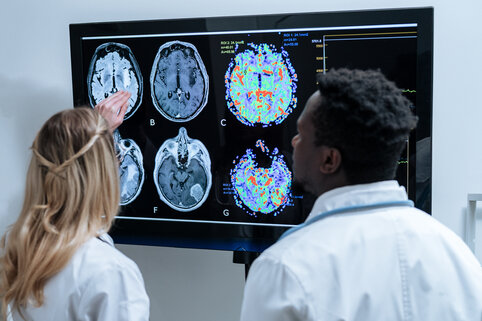
Neurovascular specialists are neurologists, radiologists or neurosurgeons with additional subspecialty training in minimally-invasive techniques to manage conditions of the blood vessels of the brain and spinal cord. They use small catheters to access the brain through blood vessels to clear blockages, stop bleeds or treat aneurysms.
Learn more about neurovascular services at Riverside.
Neurovascular Specialists Discuss Stroke Treatments
Neurosurgeons
Neurosurgeons
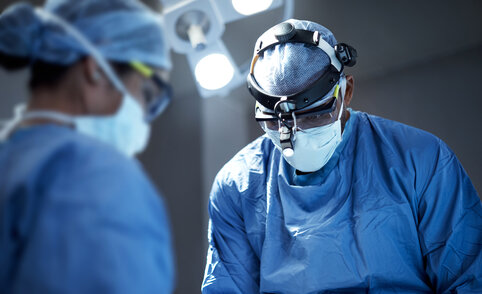
The neurosurgical team isn’t involved with every stroke case, but there are some situations where brain surgery is required.
Learn more about neurosurgery services at Riverside.
Hospitalists
Hospital Based Experts
There are many physician specialists who are based at the hospital playing key roles in caring for patients with a stroke. These include:
Radiologists: Physicians who specialize in interpreting diagnostic imaging, such as CTs and MRIs.
Pathologists: Physicians who specialize in diagnosing problems based on analyzing blood and tissue samples.
Anesthesiologists: These are specialists in giving anesthesia, specialized pain medicine given to patients during surgical procedures.
Hospitalists: These are internal medicine clinicians who specialize in managing inpatient hospital care.
Intensivists: These are critical care physicians who specialize in caring for patients with critical health problems in ICU settings.

Nurses
Nurses
Your care journey includes dedicated nursing professionals at each step. In the emergency room, they quickly assess your needs, begin treatment, and keep your care moving smoothly between departments and facilities. Whether administering medications or coordinating care, nurses provide critical support that helps you heal.
Physiatrists
Physiatrists
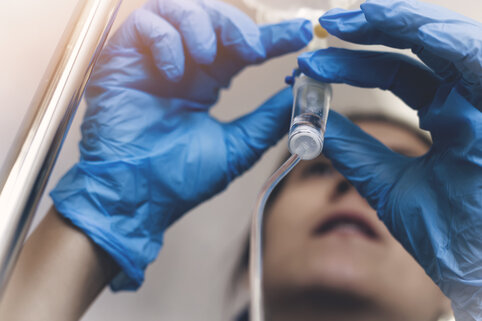
Physiatrists, also called Physical Medical specialists or Pain Management & Rehabilitation physicians (PM&R), focus on helping you build back your strength and skills after a stroke. If you spend time at the Riverside Rehabilitation Hospital after your stroke, the physiatry team will manage your care.

Rehabilitation Team
Rehabilitation Team
Rebuilding strength and skills is an important part of rehabilitating from a stroke. There are three main types of therapists who you may work with on your rehabilitation team, depending on what abilities were impacted by the stroke. These therapists are found in the hospital, in outpatient clinics, in rehabilitation centers, the Rehabilitation Hospital and through Home Health.
Physical Therapists: They focus on physical strength, regaining mobility and range of motion.
Occupational Therapists: They focus on helping patients regain specific skills, such as getting dressed, getting in and out of a car or feeding themselves.
Speech Language Pathologists (SLPs): They focus on helping patients with muscles and skills using their mouth and throat, including swallowing, speaking and communicating.

Primary Care Providers
Primary Care Providers
Almost 1 in 4 stroke patients will have a second stroke, but most strokes are preventable. Working with your primary care provider can help you address underlying health conditions, such as high cholesterol or high blood pressure, that could lead to a second stroke.
If you don’t already have a primary care provider, Riverside has primary care practices across the region, with one near you.

EMS & Paramedics
By calling 911 when you suspect a stroke, you bring the experts directly to you. When EMS partners across Hampton Roads arrive, they will do a quick assessment of the patient. If they suspect a stroke, they let the emergency room know before you even arrive so the team can be ready and waiting for you. Every person on the team knows time is brain when it comes to a stroke, so the communication between the ambulance and the emergency team helps save precious minutes.
Learn more about what to expect from EMS when you call 911 for a suspected stroke with this behind the scenes glimpse with York County EMS.
Behind the Scenes with EMS: Critical Care During a Stroke
Emergency Room
When you arrive in the emergency department, you will be seen by a team of emergency physicians, nurses and technicians who will work quickly to evaluate you for a stroke. The process moves quickly so a diagnosis can be made and a treatment plan determined as soon as possible.
Behind the Scenes: Inside the ED During a Stroke
Neurologists
Neurologists are physicians who specialize in diseases and disorders of the brain and nervous system.
In the emergency room you may interact with a tele-neurologist, a neurologist you visit with via video connection, so no time is wasted in getting a diagnosis.
During your stay in the hospital, you may see a neurologist who only sees patients inside the hospital. Sometimes these physicians are called neuro-hospitalists, as they have a hospital-based practice instead of seeing patients in an outpatient clinic.
Neurologists oversee the medical management of stroke, such as receiving the “clot-busting” drugs known as thrombolytics.
Learn more about Riverside Neurology Specialists.
Neurovascular Specialists
Neurovascular specialists are neurologists, radiologists or neurosurgeons with additional subspecialty training in minimally-invasive techniques to manage conditions of the blood vessels of the brain and spinal cord. They use small catheters to access the brain through blood vessels to clear blockages, stop bleeds or treat aneurysms.
Learn more about neurovascular services at Riverside.
Neurovascular Specialists Discuss Stroke Treatments
Neurosurgeons
The neurosurgical team isn’t involved with every stroke case, but there are some situations where brain surgery is required.
Learn more about neurosurgery services at Riverside.
Hospital Based Experts
There are many physician specialists who are based at the hospital playing key roles in caring for patients with a stroke. These include:
Radiologists: Physicians who specialize in interpreting diagnostic imaging, such as CTs and MRIs.
Pathologists: Physicians who specialize in diagnosing problems based on analyzing blood and tissue samples.
Anesthesiologists: These are specialists in giving anesthesia, specialized pain medicine given to patients during surgical procedures.
Hospitalists: These are internal medicine clinicians who specialize in managing inpatient hospital care.
Intensivists: These are critical care physicians who specialize in caring for patients with critical health problems in ICU settings.
Nurses
Your care journey includes dedicated nursing professionals at each step. In the emergency room, they quickly assess your needs, begin treatment, and keep your care moving smoothly between departments and facilities. Whether administering medications or coordinating care, nurses provide critical support that helps you heal.
Physiatrists
Physiatrists, also called Physical Medical specialists or Pain Management & Rehabilitation physicians (PM&R), focus on helping you build back your strength and skills after a stroke. If you spend time at the Riverside Rehabilitation Hospital after your stroke, the physiatry team will manage your care.
Rehabilitation Team
Rebuilding strength and skills is an important part of rehabilitating from a stroke. There are three main types of therapists who you may work with on your rehabilitation team, depending on what abilities were impacted by the stroke. These therapists are found in the hospital, in outpatient clinics, in rehabilitation centers, the Rehabilitation Hospital and through Home Health.
Physical Therapists: They focus on physical strength, regaining mobility and range of motion.
Occupational Therapists: They focus on helping patients regain specific skills, such as getting dressed, getting in and out of a car or feeding themselves.
Speech Language Pathologists (SLPs): They focus on helping patients with muscles and skills using their mouth and throat, including swallowing, speaking and communicating.
Primary Care Providers
Almost 1 in 4 stroke patients will have a second stroke, but most strokes are preventable. Working with your primary care provider can help you address underlying health conditions, such as high cholesterol or high blood pressure, that could lead to a second stroke.
If you don’t already have a primary care provider, Riverside has primary care practices across the region, with one near you.