• Careers
  • About
  • Contact Us
  • Care Estimates
  • Pay My Bill
  • Give Now
  • MyChart Login
  • Schedule Appointment
Riverside Health

Riverside Health

  • Medical Services
    • Cancer Care
    • Diagnostic Imaging
    • Gastroenterology
    • Heart and Vascular
    • Lifelong Health
    • Mental Health
    • Neurological and Spine Institute
    • Orthopedics
    • Primary Care
    • Urgent Care
    • Women's Health
    • View All Services
  • Conditions & Treatments
  • Locations
  • Find a Doctor
  • Patients & Visitors
    • Accepted Insurance
    • Care Estimates
    • Conflict Resolution
    • Patient Rights
    • Paying for Healthcare Services
    • Recognize a Caregiver
    • Send a Web Wish
    • Volunteer
  • Health Resources
    • Clinical Trials
    • Events
    • Healthy You Blogs
    • Healthy You Podcast
    • Riverside Simulation Training Lab
    • Symptom Checker
  • Careers
  • About
  • Contact Us
  • Care Estimate
  • Pay My Bill
  • Give Now
  • MyChart Login
  • Schedule Appointment
  • News Center
Need Help?

For help in finding a physician, making appointments and general information call Riverside Nurse.

1-800-675-6368
Follow Us Today
  • Twitter
  • Facebook
  • LinkedIn
  • Instagram
  • YouTube
Primary Care
  • Services
    • Chronic Conditions
    • Hospital Care
    • Medical Screening Guidelines
    • Other Riverside Services
  • Choosing a Provider
  • Primary Care Practices
  • Insurance and Medical Costs
  • Conditions & Treatments
  • Home
  • Medical Services
  • Primary Care
  • Conditions & Treatments
  • Roseola
  • Icon Label
    • Icon Label
    • Twitter
    • Icon Label
  • Icon Label

Roseola

  • Key Points
  • Overview
  • Causes
  • Symptoms
  • Diagnosis
  • Treatment
  • Prevention
  • Next Steps
Key Points

  • Roseola, also known as Sixth Disease or roseola infantum, is a common viral illness that mainly affects children under age 2.
  • It’s caused by human herpesvirus 6 (HHV-6) or sometimes HHV-7.
  • The illness often starts with a high fever followed by a rash as the fever breaks.
  • Most children recover fully within a week with at-home care and rest.
  • Good hygiene, especially handwashing, helps prevent the spread of roseola.

Overview

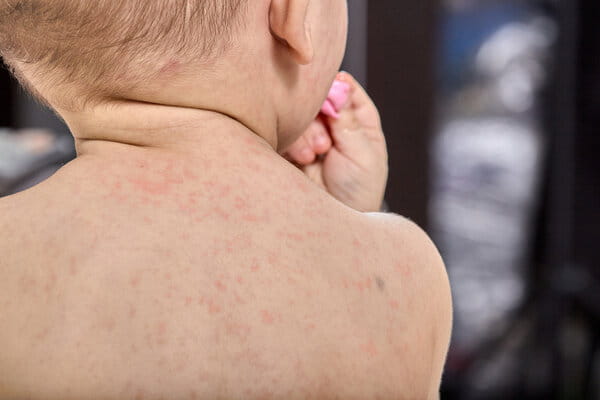
roseola rash a viral rash on the skin of a child.

What Is Roseola?

Roseola is a contagious viral infection most common in infants and young children. It’s known for a sudden high fever lasting several days, followed by a pink or red rash that appears as the fever subsides.

While the rash may look alarming, roseola is typically mild and short-lived. Most children recover quickly with supportive care. Adults can occasionally get roseola, but it’s rare and usually less severe.
The illness spreads easily, especially in childcare settings, but once children recover, they develop lifelong immunity to the virus.


Back to top
Causes

What Causes Roseola?

Roseola is caused by human herpesvirus type 6 (HHV-6) or type 7 (HHV-7). Despite the name, these viruses are different from the herpes viruses that cause cold sores or shingles.

The infection spreads through:

  • Respiratory droplets from coughing, sneezing or talking
  • Saliva, for example from sharing utensils or cups
  • Close contact with someone who’s infected, even if they don’t have visible symptoms

Roseola can be contagious even before the rash appears, during the fever stage. Once the rash develops, the risk of spreading the virus drops significantly.


Back to top
Symptoms

Signs and Symptoms of Roseola

 Symptoms usually appear 5–15 days after exposure and often follow a predictable pattern:

1. High Fever (First Stage)

  • Sudden fever, often between 102–105°F
  • Irritability or fussiness
  • Runny nose or mild cough
  • Swollen eyelids or lymph nodes
    ​

2. Rash (Second Stage)

  • As the fever breaks, a rash of small pink or red spots appears, starting on the chest and spreading to the neck, arms and face.
  • The rash is not itchy or painful and may fade within 1–3 days.

Some children may experience mild diarrhea or decreased appetite during the illness. In rare cases, a rapid rise in temperature can trigger a febrile seizure, which requires medical attention.


Back to top
Diagnosis

How Is Roseola Diagnosed?

Because roseola symptoms can resemble other childhood illnesses, a physical exam is often needed to confirm the diagnosis.

A health care provider will usually:

  • Review the child’s fever history and rash pattern
  • Examine the skin and throat
  • Rule out other causes of rash such as measles, rubella or allergies

Blood tests or viral swabs are rarely needed unless symptoms are unusual or severe.


Back to top
Treatment

How to Treat Roseola

There is no specific antiviral medication for roseola. Treatment focuses on relieving symptoms and keeping the child comfortable.

At-Home Care

  • Keep your child well-hydrated with water, electrolyte drinks or clear fluids.
  • Use acetaminophen (Tylenol) or ibuprofen (Motrin) to reduce fever, but avoid aspirin in children.
  • Offer light, easy-to-digest foods and plenty of rest.
  • Use cool compresses to help lower body temperature during fever.

Medical Treatment

Most cases resolve at home within a few days. However, contact a health care provider if your child:

  • Has a fever lasting longer than four days
  • Experiences a seizure, breathing problems or persistent vomiting
  • Appears unusually lethargic or unresponsive

Rarely, children with weakened immune systems may need hospital care to manage complications.


Back to top
Prevention

How to Prevent Roseola

Since roseola spreads through saliva and respiratory droplets, good hygiene practices are the best defense.

Prevention Tips

  • Wash hands frequently with soap and water.
  • Avoid sharing cups, utensils or towels.
  • Teach children to cover coughs and sneezes with a tissue or elbow.
  • Keep sick children home until they are fever-free for at least 24 hours.

There is no vaccine for roseola, but once a child has been infected, they are generally immune to future infections.


Back to top
Next Steps

If your child develops a sudden high fever or rash, contact your pediatrician or primary care provider for guidance. While roseola is usually mild, professional advice can help ensure comfort and rule out other conditions.

At Riverside Health, we're dedicated to compassionate, collaborative care. We provide a wide range of services, from childbirth to end-of-life care, delivering over 2 million services each year. Our integrated network allows us to support you seamlessly through health, illness, recovery, and wellness. With top clinicians and advanced technology, we’re here for you at convenient locations close to home and work. Visit riversideonline.com.

If you’re wondering where the best place is to get care, please see our guide below:

If your problem is life- or limb-threatening, call 911 or go to the emergency room.

Primary Care – Schedule through MyChart or call your provider’s office who you go to for most health care needs.

Virtual Clinic – Schedule through MyChart or click Here to learn more about Primary Care On Demand.

MD Express Urgent Care – Click Here to find a location near you for after-hours care or when your primary care provider is not available. Open 9am-9pm, Mon-Sun.

Sports Medicine Hotline – Call 757-534-6767, 7am-10pm, 7 days a week to schedule an appointment with a sports medicine specialist. Same day/next day availability in most cases.

If you’re not sure, call Riverside Nurse 24/7 at 1-800-675-6368

Back to top

Riverside Health

Our mission to care for others as we would care for those we love drives us to support a number of health, education and community programs.

  • Twitter
  • Facebook
  • LinkedIn
  • Instagram
  • YouTube
  • News Center
  • Nursing Recruitment & Resources
  • Price Transparency
  • Provider Recruitment & Engagement
  • Riverside Foundation

Need Help?

For help in finding a physician, making appointments and general information call Riverside Nurse.

1-800-675-6368
  • Privacy Policy
  • Non-Discrimination Policy
  • Web Privacy Policy
©2025 - Riverside Health | All right reserved
Schedule Appointment Symptom Checker Contact Us