Cardiovascular Health & Wellness

What Is Cholesterol?

Understanding Your Numbers and Why They Matter
Key Takeaways

  • Cholesterol is essential, but too much of the wrong type (LDL) increases your risk of heart disease.
  • HDL, LDL, and triglycerides each play a role in heart health—knowing your numbers is key.
  • High cholesterol usually has no symptoms, so routine screening is vital.
  • A combination of diet, exercise, and medication can effectively manage cholesterol levels.
  • Uncontrolled cholesterol can lead to serious complications, including heart attack and stroke—early action can save lives.

Overview

What Is Cholesterol?

Cholesterol is a waxy, fat-like substance found in every cell of your body. Your body uses it to build cells, produce hormones, and make vitamin D. While your liver makes all the cholesterol you need, cholesterol also enters your body through animal-based foods like meat, eggs, and dairy.

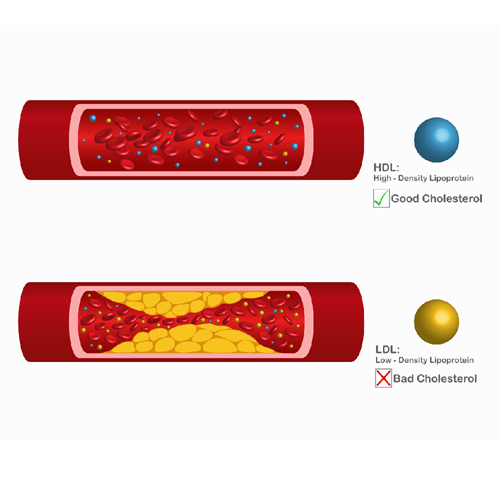
Cholesterol isn’t bad in itself. The problem arises when there’s too much of the wrong kind in your blood, which can lead to clogged arteries and increase the risk of heart disease and stroke. need, cholesterol also enters your body through anArteries that are clogged with fat that causes blood clots are a leading cause of death. Types of cholesterol. High-density lipoprotein (HDL) and low-density lipoprotein (LDL
Why Do We Measure It?

Cholesterol levels are one of the most important indicators of your heart and blood vessel health. Regular cholesterol screening can help:

  • Detect risks early
  • Prevent heart attacks and strokes
  • Guide treatment decisions such as lifestyle changes or medications

How Is It Measured?

Cholesterol is measured with a simple blood test, usually after fasting for 9–12 hours. This test is called a lipid panel or lipid profile and measures:

  • Total cholesterol
  • HDL (good) cholesterol
  • LDL (bad) cholesterol
  • Triglycerides (another type of fat in the blood)

Cholesterol is THE most important cardiac risk factor. Without question.

- Dr. Lloyd Kellam, MD, a cardiologist with Riverside Eastern Shore Physicians & Surgeons

What Do the Numbers Mean?

Understanding HDL, LDL & Triglycerides

  • HDL (High-Density Lipoprotein): Known as “good” cholesterol because it helps remove LDL from your arteries. Higher HDL is better.
  • LDL (Low-Density Lipoprotein): Known as “bad” cholesterol because it can build up in artery walls and form plaques. Lower LDL is better.
  • Triglycerides: A type of fat that, when elevated, can increase your risk of heart disease—especially when combined with high LDL or low HDL.


Cholesterol Guidelines (Adults)

Component Optimal Range 
Total Cholesterol  Less than 200 mg/dL
LDL (Bad Cholesterol) Less than 100 mg/dL
HDL (Good Cholesterol) 60 mg/dL or higher (ideal)
Triglycerides Less than 150 mg/dL
 

What’s Too High or Too Low?

  • High LDL (≥160 mg/dL) or low HDL (<40 mg/dL) increases your risk of heart disease.
  • Very low cholesterol is rare but can be linked to certain health conditions and should be evaluated by a doctor.

What Impacts Cholesterol Levels?

Controllable factors
Non-controllable factors
  • Age: Cholesterol tends to rise with age
  • Genetics: Family history of high cholesterol or heart disease
  • Sex: Men tend to have lower HDL; women's HDL levels may decline after menopause
  • Medical conditions: Hypothyroidism, liver disease, kidney disease

Understanding LDL and HDL Cholesterol

- Learn the cellular science of cholesterol as this animation explains the difference between LDL and HDL cholesterol and the impact of having too much “bad” cholesterol.

What Are the Risks of Uncontrolled Cholesterol?

If left untreated, high cholesterol can lead to:

  • Atherosclerosis (hardening and narrowing of arteries)
  • Heart attack
  • Stroke
  • Peripheral artery disease (PAD)
  • Chronic kidney disease


High cholesterol
 often has no symptoms, which is why routine screening is essential.

When to Seek Care

Signs and Symptoms to Look For

High cholesterol is often silent, meaning you won’t feel symptoms until serious damage is done. However, if arteries become blocked, you may experience:

  • Chest pain (angina)
  • Shortness of breath
  • Fatigue during exertion


When to Seek Emergency Care

Call 911 immediately if you or someone else has signs of a heart attack or stroke, including:

  • Chest pain or pressure
  • Sudden numbness or weakness
  • Difficulty speaking or seeing
  • Severe headache or dizziness

What Should You Do Next?

  • Schedule a cholesterol screening—especially if you are over 20 or have risk factors. This is usually part of the blood work of an annual physical with your primary care provider.
  • Adopt a heart-healthy lifestyle: eat more fiber, fruits, and vegetables; avoid trans fats; stay active
  • Talk to your doctor about medications if lifestyle changes aren’t enough
  • Track your cholesterol numbers over time
  • Encourage family members to get screened—especially if you have a history of heart disease

Want to Learn More? 

Explore These Riverside Health Resources

Learn more about cardiovascular wellness and the resources available to help you get healthy and stay healthy.

High Cholesterol

Learn more about the impact high cholesterol has on your health and what you can do about it.

Healthy Food for Healthy Living

Discover the connection between nutrition and health.

Primary Care

Learn more about primary care services and meet the providers who can help you monitor your cholesterol levels.

Riverside Cardiology Specialists

Meet the providers who specialize in caring for diseases and conditions of the heart.

These May be of Interest

couple walking in nature

How to lower high cholesterol

If you’ve gotten the news that your cholesterol is high, bringing your numbers into a healthy range...

Primary Care Heart and Vascular
Heart and Vascular

Heart Healthy Recipes

March 09, 2023
Learn More
Heart of Food
Podcast Episodes

Healthy YOU: Nutrition and the immune system: What is the link?

February 09, 2023
Learn More
Podcast Episode: Nutrition and the immune system: What is the link?
Riverside Healthy Cooking

Healthy Cooking: Teriyaki Pineapple Recipe

Learn More
Couple doing date night at home with dinner
Podcast Episodes

Healthy YOU Podcast: Eating - Is stress driving your hunger?

July 24, 2023
Learn More
Emotional Eating: Is stress driving your hunger?