• Careers
  • About
  • Contact Us
  • Care Estimates
  • Pay My Bill
  • Give Now
  • MyChart Login
  • Schedule Appointment
Riverside Health

Riverside Health

  • Medical Services
    • Cancer Care
    • Diagnostic Imaging
    • Gastroenterology
    • Heart and Vascular
    • Lifelong Health
    • Mental Health
    • Neurological and Spine Institute
    • Orthopedics
    • Primary Care
    • Urgent Care
    • Women's Health
    • View All Services
  • Conditions & Treatments
  • Locations
  • Find a Doctor
  • Patients & Visitors
    • Accepted Insurance
    • Care Estimates
    • Conflict Resolution
    • Patient Rights
    • Paying for Healthcare Services
    • Recognize a Caregiver
    • Send a Web Wish
    • Volunteer
  • Health Resources
    • Clinical Trials
    • Events
    • Healthy You Blogs
    • Healthy You Podcast
    • Riverside Simulation Training Lab
    • Symptom Checker
  • Careers
  • About
  • Contact Us
  • Care Estimate
  • Pay My Bill
  • Give Now
  • MyChart Login
  • Schedule Appointment
  • News Center
Need Help?

For help in finding a physician, making appointments and general information call Riverside Nurse.

1-800-675-6368
Follow Us Today
  • Twitter
  • Facebook
  • LinkedIn
  • Instagram
  • YouTube
Primary Care
  • Services
    • Chronic Conditions
    • Hospital Care
    • Medical Screening Guidelines
    • Other Riverside Services
  • Choosing a Provider
  • Primary Care Practices
  • Insurance and Medical Costs
  • Conditions & Treatments
    • Cleft Palate
    • Motion Sickness
    • Pneumonia
    • Vomiting
  • Home
  • Medical Services
  • Primary Care
  • Conditions & Treatments
  • Pneumonia
  • Icon Label
    • Icon Label
    • Twitter
    • Icon Label
  • Icon Label

Pneumonia

  • Key Points
  • Overview
  • Causes
  • Symptoms
  • Diagnosis
  • Treatment
  • Prevention
  • Next Steps
Key Points

  • Pneumonia is a lung infection that causes inflammation in one or both lungs.
  • It can be caused by bacteria, viruses or fungi and may range from mild to severe.
  • Common pneumonia symptoms include cough, fever, chest pain and trouble breathing.
  • Pneumonia can affect people of all ages, but infants, older adults and those with chronic conditions are at higher risk.
  • Early diagnosis and proper pneumonia treatment help reduce complications and support recovery.

Overview

What Is Pneumonia?

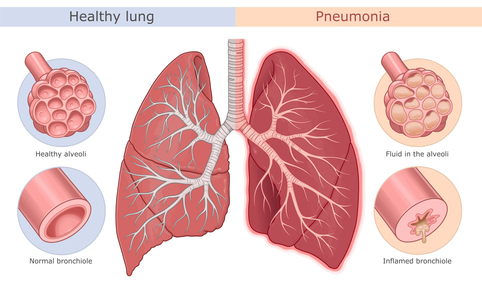
Pneumonia is an infection that inflames the air sacs, called alveoli, in one or both lungs. These air sacs may fill with fluid or pus, making it harder to breathe and deliver oxygen to the body.

Pneumonia can develop suddenly or gradually. Some cases are mild and can be treated at home, while others may require hospitalization. The severity depends on the type of infection, the person’s age and overall health.

You may also hear the term walking pneumonia. This is a milder form of pneumonia, often caused by bacteria, where symptoms are less severe but still require medical care.

Pneumonia symptoms medical diagram. Healthy lung and lung with pneumonia.

Back to top

Causes

What Causes Pneumonia?

Pneumonia occurs when germs enter the lungs and overwhelm the body’s defenses.

Common causes include:

  • Bacteria: Such as Streptococcus pneumoniae, a leading cause of bacterial pneumonia
  • Viruses: Including influenza, respiratory syncytial virus (RSV) and COVID-19
  • Fungi: More common in people with weakened immune systems
  • Aspiration: Breathing food, liquid or vomit into the lungs

Pneumonia can be contagious when caused by bacteria or viruses. Germs spread through coughing, sneezing or close contact, though not everyone exposed will develop pneumonia.

Back to top

Symptoms

Common Pneumonia Symptoms

Pneumonia symptoms can vary by age and cause, but often include:

  • Cough, which may produce mucus
  • Fever, chills or sweating
  • Shortness of breath or rapid breathing
  • Chest pain that worsens with breathing or coughing
  • Fatigue or weakness
  • Nausea, vomiting or diarrhea
  • Confusion, especially in older adults

Walking pneumonia symptoms may be milder and include a lingering cough, low-grade fever and fatigue.

Back to top

Diagnosis

How Is Pneumonia Diagnosed?

A health care provider will evaluate symptoms, medical history and risk factors to diagnose pneumonia.

Diagnostic steps may include:

  • Physical exam: Listening to the lungs for abnormal sounds
  • Chest X-ray: To confirm lung infection and determine severity
  • Blood tests: To identify infection and assess immune response
  • Sputum test: To determine the specific germ causing pneumonia
  • Pulse oximetry: To measure oxygen levels in the blood

Accurate pneumonia diagnosis helps guide the most effective treatment plan.

Back to top

Treatment

How Is Pneumonia Treated?

Pneumonia treatment depends on the cause, severity and patient risk factors.

Treatment options may include:

  • Antibiotics: For bacterial pneumonia
  • Antiviral medications: For certain viral infections
  • Fever reducers and pain relievers: To manage symptoms
  • Fluids and rest: To support recovery
  • Oxygen therapy: For patients with low oxygen levels

Most people begin to feel better within a few days of starting treatment, but fatigue and cough may last several weeks. Severe cases may require hospital care and intravenous medications.


Back to top

Prevention

Can Pneumonia Be Prevented?

While not all cases can be prevented, there are effective ways to lower your risk.

Helpful pneumonia prevention strategies include:

  • Staying up to date on recommended vaccines, including pneumonia and flu vaccines
  • Practicing good hand hygiene
  • Avoiding smoking and secondhand smoke
  • Managing chronic conditions such as asthma, diabetes or heart disease
  • Seeking prompt care for respiratory infections

Talk with your health care provider about vaccines and preventive steps based on your age and health status.


Back to top
Next Steps

Pneumonia is a common but potentially serious condition. Early recognition of symptoms and timely medical care are key to recovery.

If you or a loved one experiences symptoms such as high fever, difficulty breathing or chest pain, seek medical attention promptly.

At Riverside Health, we're dedicated to compassionate, collaborative care. We provide a wide range of services, from childbirth to end-of-life care, delivering over 2 million services each year. Our integrated network allows us to support you seamlessly through health, illness, recovery, and wellness. With top clinicians and advanced technology, we’re here for you at convenient locations close to home and work. Visit riversideonline.com.

If you’re wondering where the best place is to get care, please see our guide below:

If your problem is life- or limb-threatening, call 911 or go to the emergency room.

Primary Care – Schedule through MyChart or call your provider’s office who you go to for most health care needs.

Virtual Clinic – Schedule through MyChart or click Here to learn more about Primary Care On Demand.

MD Express Urgent Care – Click Here to find a location near you for after-hours care or when your primary care provider is not available. Open 9am-9pm, Mon-Sun.

Sports Medicine Hotline – Call 757-534-6767, 7am-10pm, 7 days a week to schedule an appointment with a sports medicine specialist. Same day/next day availability in most cases.

If you’re not sure, call Riverside Nurse 24/7 at 1-800-675-6368

Back to top

Riverside Health

Our mission to care for others as we would care for those we love drives us to support a number of health, education and community programs.

  • Twitter
  • Facebook
  • LinkedIn
  • Instagram
  • YouTube
  • News Center
  • Nursing Recruitment & Resources
  • Price Transparency
  • Provider Recruitment & Engagement
  • Riverside Foundation

Need Help?

For help in finding a physician, making appointments and general information call Riverside Nurse.

1-800-675-6368
  • Privacy Policy
  • Non-Discrimination Policy
  • Web Privacy Policy
©2025 - Riverside Health | All right reserved
Schedule Appointment Symptom Checker Contact Us