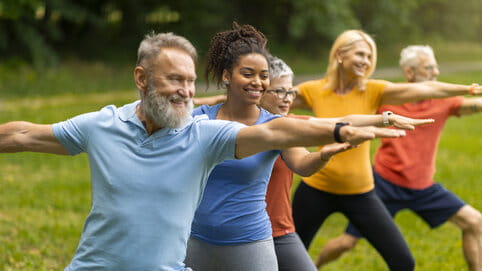

Exercise is one of the most powerful tools we have to protect and enhance our health. While many people associate movement with burning calories or losing weight, the benefits go far beyond the scale. From improving heart health and sleep to strengthening bones and reducing stress, regular physical activity supports nearly every system in the body. And importantly, it helps us stay steady, strong, and independent as we age.
Why Exercise Isn’t Just About Burning Calories
Exercise does help with weight management, but it’s also about building a healthier, more resilient body. Physical activity:
- Improves circulation and organ function
- Increases energy levels
- Supports healthy aging
- Boosts mental clarity and mood
- Helps prevent injuries, chronic disease, and disability
Even if your weight doesn’t change, regular movement improves how you feel, function, and live day to day.
Types of Exercise: Cardio, Strength, Flexibility, and Balance
To get the full benefits of movement, it’s important to include four main types of exercise in your routine:Cardiovascular (Aerobic) Exercise
Cardio raises your heart rate and breathing. It improves heart and lung health, burns calories, and supports endurance. Examples include brisk walking, swimming, cycling, or dancing.
Strength Training
Using weights, resistance bands, or your own body weight builds muscle and strengthens bones. It also improves metabolism and supports joint health, making everyday tasks easier (like lifting groceries or climbing stairs).
Flexibility Training
Stretching helps improve your range of motion, ease muscle stiffness, and reduce your risk of strains and overuse injuries. Activities like yoga and static stretching enhance flexibility and circulation.
Balance Exercises
Balance tends to decline with age, increasing the risk of falls. Targeted exercises like tai chi, heel-to-toe walking, or single-leg stands can improve stability and coordination. Strong balance reduces your chances of falling and helps you recover more easily if you lose your footing.