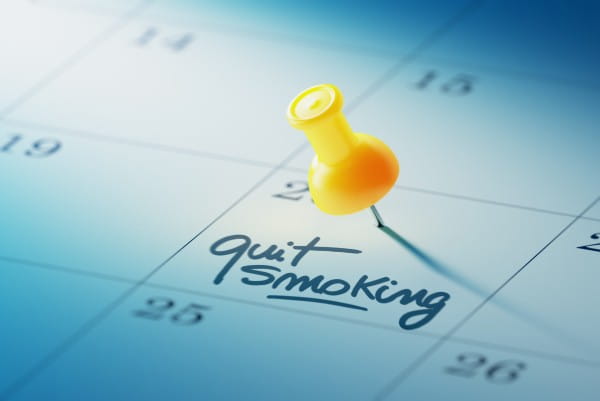
1. Make a Quit Plan
A structured plan helps you stay focused and accountable. The CDC and Smokefree.gov recommend:
- Choosing a quit date within the next two weeks
- Identifying triggers (e.g., coffee, stress, driving) and planning alternatives
- Setting personal reasons for quitting (health, family, finances)
- Telling family and friends so they can support you
Resources like smokefree.gov and the Better Health Quit Smoking Plan (UK NHS) provide free quit-planning tools and mobile apps.
2. Use Nicotine Replacement Therapy (NRT)
FDA-approved NRT products help reduce withdrawal symptoms and cravings:
- Nicotine patches
- Nicotine gum or lozenges
- Nicotine nasal spray or inhalers (by prescription)
These therapies double your chances of quitting successfully, especially when combined with behavioral support. Always follow dosing instructions and speak with a healthcare provider about what's best for you.
3. Consider Prescription Medications
Two non-nicotine medications are proven to help people quit:
- Bupropion: Reduces cravings and withdrawal symptoms
- Varenicline (Chantix): Blocks nicotine receptors in the brain, making smoking less satisfying
These medications are safe, effective, and available by prescription. They may be especially helpful if you've tried to quit before without success. These can be combines with nicotine patches. Talk to your primary care provider to see if these may help you with your plan to quit smoking.
4. Seek Counseling or Behavioral Support
Studies show that behavioral support increases quit success rates significantly. especially when combined with medication. Options include:
- One-on-one counseling
- Group therapy
- Telephone quit-lines (such as 1-800-QUIT-NOW)
- Text support programs (e.g., SmokefreeTXT)
Counseling helps you manage cravings, build coping strategies, and stay motivated through challenging moments.
5. Avoid Triggers and Manage Stress
Stress, boredom, and social settings can prompt cravings. Helpful strategies include:
- Exercise: Even light activity reduces cravings and improves mood
- Mindfulness or meditation: Reduces stress and improves focus
- Distraction techniques: Chewing gum, squeezing a stress ball, or drinking water
- Avoiding alcohol or caffeine: These may act as triggers early in the quit process
If you're switching from smoking to vaping in an attempt to quit, know that vaping is not a safe long-term substitute. Work with a healthcare provider to create a plan that leads to full nicotine independence.
6. Prepare for Relapse—and Don’t Give Up
Relapses are common, but they are not failures. They are part of the process. Each quit attempt brings you closer to long-term success. If you relapse:
- Reflect on what led to the slip
- Revisit your quit plan and remember your “why” that is motivating you to quit
- Reach out for support
- Try again, perhaps with a new strategy or medication
According to the American Lung Association, most people make several quit attempts before they quit for good. Persistence pays off.
- Track your progress and celebrate small victories
- Join an online support group for encouragement
- Remove tobacco products and paraphernalia from your home, car, and workplace
- Reward yourself with the money saved by not buying tobacco
The Bottom Line
Quitting smoking or vaping is a journey, but with the right tools and support, it’s absolutely achievable. From medication to counseling to lifestyle changes, there are proven strategies that work. You don’t have to quit alone.