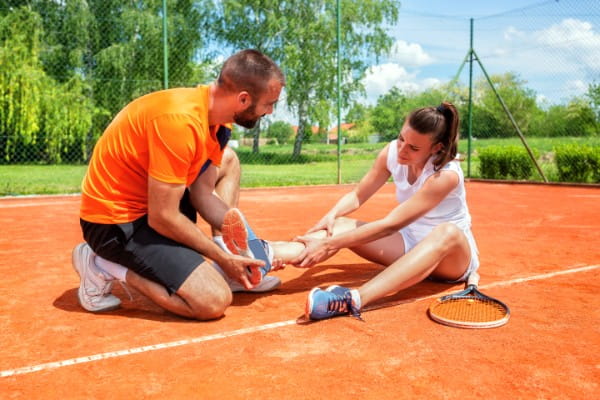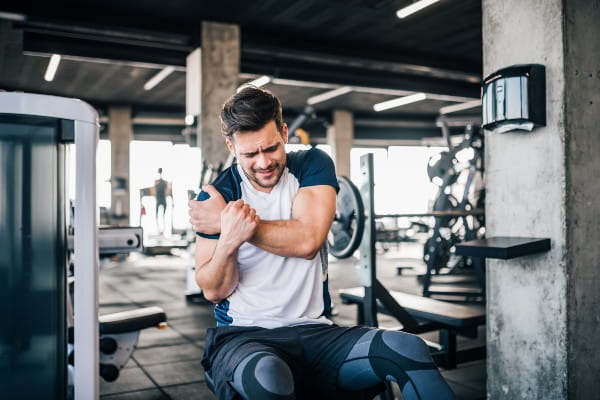
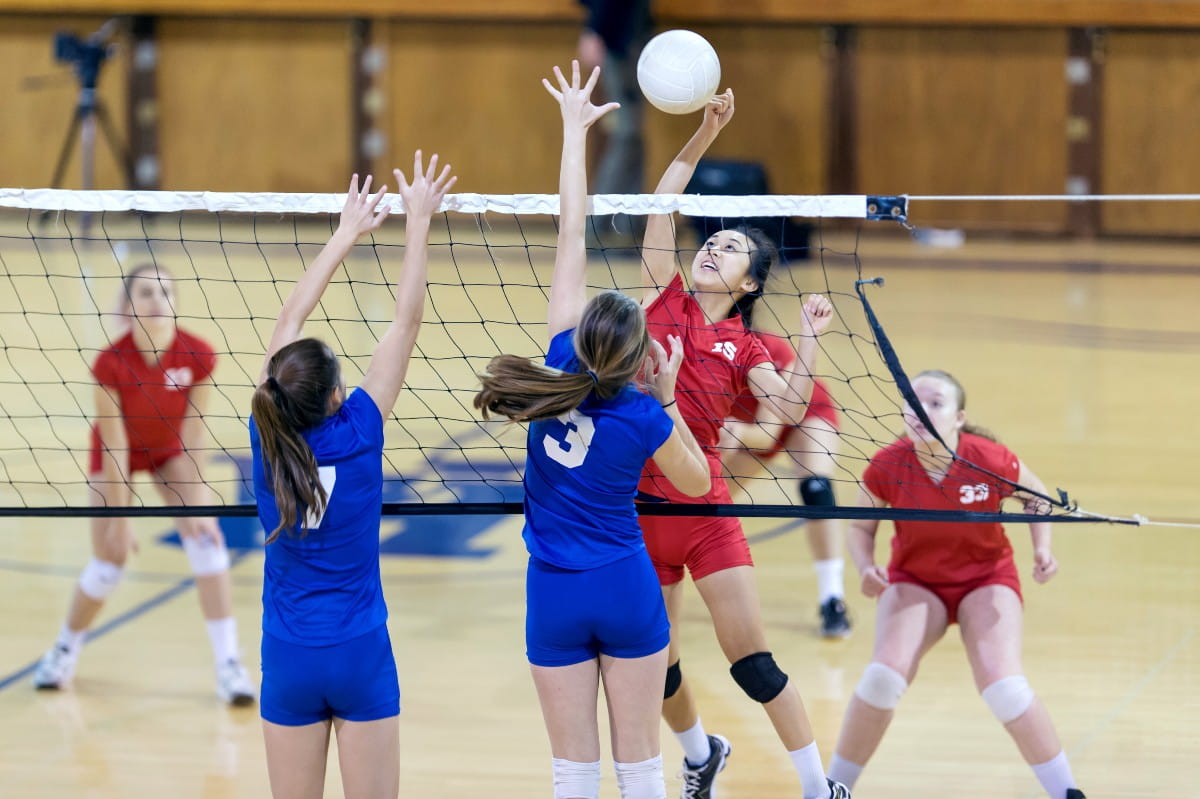
From travel teams to year-round training, today’s young athletes are playing harder and longer than ever before. While sports offer incredible physical and mental benefits, the increase in intensity and push for early sports specialization has led to a rise in overuse injuries in children and teens.
Unlike sudden injuries caused by a fall or collision, overuse injuries develop gradually. They happen when repetitive stress is placed on muscles, tendons or bones without enough time to recover. Left untreated, these injuries can sideline an athlete for weeks or even months.
The good news? Most overuse injuries are preventable with the right approach to training, rest and early treatment.
Here’s what parents, coaches and athletes should know.
Why Are Overuse Injuries So Common in Young Athletes?
Growing bodies are especially vulnerable to repetitive stress. During growth spurts, bones lengthen quickly, sometimes faster than muscles and tendons can adapt. Add high training volumes and limited rest, and the risk increases.
“Many young athletes now train and compete in one sport throughout the entire year,” says Courtney Conklin, M.D., a fellowship trained, board-certified sports medicine physician with Riverside Orthopedic and Sports Medicine Specialists. “Without built-in time for rest and recovery, repeated stress on the same muscles and joints can cause minor pains to turn into more significant injuries over time.”
Early sports specialization, back-to-back seasons and pressure to “play through pain” all contribute to rising rates of overuse injuries.
1. Knee Overuse Injuries
The knee is one of the hardest-working joints in a young athlete’s body. Every sprint down the field, jump for a rebound or quick pivot on the court places stress on the structures that support it. Over time, that repeated motion can lead to irritation and inflammation, especially in sports like basketball, soccer, volleyball and track.
Some of the most common knee overuse injuries in young athletes include:
- Patellar tendinitis, or “jumper’s knee”: typically occurs from repeated jumping which causes pain and swelling in the tendon connecting the knee to the shinbone.
- Osgood-Schlatter disease: occurs when repeated stress irritates part of the shin bone right below the knee joint where bone growth occurs.
While each condition affects a slightly different structure, they often share similar symptoms. Athletes may begin to notice aching pain at the front or outside of the knee, swelling or tenderness that worsens during or after activity. What starts as mild discomfort can gradually interfere with performance.
Treatment for many overuse knee injuries usually begins with reducing high-impact activity to allow the knee time to calm down. Ice, short-term anti-inflammatory medications and a structured physical therapy program can help strengthen the athlete's core, hips and legs to improve the way the knee absorbs force. A gradual return-to-play plan ensures the athlete builds back safely rather than rushing into full activity.
“In many cases, knee pain is the body’s warning sign,” Dr. Conklin explains. “If we catch it early and adjust training, we can often prevent a more serious injury.”
2. Elbow Overuse Injuries
For throwing athletes, particularly baseball pitchers and softball players, the elbow absorbs significant repetitive force. Each throw places stress on the inner portion of the joint. When that stress builds up without enough rest, irritation and inflammation can develop.
One of the best-known elbow overuse injuries in young athletes is “Little League elbow,” which affects the growth plate on the inside of the elbow. Because growth plates are still developing in children and teens, they are more vulnerable to injury than adult bone.
Warning signs that an elbow overuse injury may be developing can include:
- Elbow pain during or after throwing
- Decreased throwing speed or accuracy
Some young athletes may even change their mechanics to compensate for the discomfort without realizing it, which can create additional strain elsewhere in the arm or shoulder over time.
Treatment typically involves complete rest from throwing to allow the irritated structures to heal. Physical therapy can help improve strength, flexibility and throwing mechanics before beginning a carefully monitored throwing progression program, while following pitch count guidelines and allowing adequate recovery between games are critical steps in prevention.
3. Shoulder Overuse Injuries
The shoulder is designed for mobility, but that movement can come at a cost. In overhead sports like swimming, tennis, volleyball and baseball, the shoulder endures repeated rotational stress. Over time, this can irritate the rotator cuff, inflame tendons or even contribute to joint instability and labral tears.
In young athletes, this may result in pain when lifting the arm overhead, a feeling of weakness or even a sensation that the shoulder feels loose or unstable. Because symptoms often build gradually, they may go unnoticed until performance declines.
Preventing shoulder overuse injuries in young athletes focuses on building balanced shoulder strength, reinforcing proper technique and limiting excessive repetition of overhead motion, particularly in athletes who play on multiple teams or in back-to-back seasons. Scheduled breaks from overhead sports allow tissues time to recover and reduce long-term strain.
4. Ankle and Foot Overuse Injuries
The feet and ankles serve as the foundation for nearly every sport. In activities that involve running and jumping, such as soccer, basketball, volleyball and track, repetitive impact can lead to overuse conditions affecting tendons, growth plates and bones.
Young athletes may experience heel pain, arch discomfort or swelling that worsens with activity. Conditions such as Sever’s disease, which is a common cause of heel pain during growth spurts, are frequently seen in active children and teens. While symptoms often improve with rest, returning to high levels of activity too quickly can cause them to flare up again.
Treatment will focus on reducing impact, stretching tight calf muscles and ensuring proper footwear is being worn. Physical therapy may help improve alignment and strengthen supporting muscles. Simply replacing worn-out shoes or avoiding sudden increases in mileage can significantly lower the risk of injury.
5. Stress Fractures
Stress fractures which are tiny cracks in the bone that do not show up on typical X-rays are also considered overuse injuries and are caused by repetitive force rather than a single traumatic event. They most often occur in the shin, foot or hip and are frequently seen in sports like cross country, track, basketball and gymnastics.
Unlike muscle soreness, stress fracture pain tends to worsen with activity and improve with rest, at least initially. Over time, the discomfort becomes more localized and persistent. Athletes may pinpoint one specific area that hurts when pressed.
Treatment often requires patience and a longer rest period from impact activities. In some cases, a walking boot or crutches may be used temporarily to protect the bone while it heals.
“Pain that doesn’t improve with rest is never something to ignore,” Dr. Conklin notes. “The earlier we evaluate it, the faster and safer we can guide an athlete back to play.”
How to Prevent Overuse Injuries
While no athlete is completely injury-proof, there are proven ways to reduce risk:
1. Avoid Year-Round Single-Sport Play
Encourage athletes to take at least one to two months off from a specific sport each year.
2. Follow the 10% Rule
Increase training time, intensity or distance by no more than 10% per week.
3. Build Strength and Flexibility
Strong muscles help absorb stress and protect joints. Stretching helps maintain healthy movement patterns.
4. Prioritize Rest and Recovery
Rest days are just as important as practice days. Sleep and proper nutrition also support healing.
5. Speak Up Early
Pain that lasts more than a few days or keeps returning should be evaluated.
“We tell our athletes all the time that soreness is normal, but persistent pain is not,” says Dr. Conklin. “Addressing symptoms early can prevent months on the sidelines.”
Final Takeaway
If your athlete is showing symptoms that could indicate an overuse injury, early evaluation and treatment can significantly shorten recovery time and reduce the risk of long-term complications. Most overuse injuries respond well to conservative care when caught early.
With proper training, scheduled rest, strength development and early attention to pain, most overuse injuries are preventable and treatable.
Need care now?
Sports Medicine Hotline – Call 757-534-6767, 7am-10pm, 7 days a week to schedule an appointment with a sports medicine specialist. Same day/next day availability in most cases.
OrthoConnect Orthopedic Urgent Care – Walk-in clinic at our Newport News location only on Tues-Thurs. 7am-2pm or schedule an appointment through MyChart for the location and time that is convenient for you.
Orthopedic Specialists - Schedule through MyChart or call 757-534-9988.
(804-693-0529 for Gloucester, 757-302-2700 for the Eastern Shore)