Part of the series: Understanding Hospice Care: A Guide for Patients and Families
Riverside’s Hospice Education Series on comfort, quality of life and compassionate care.
As physical abilities change, even simple movements can become more difficult.
Standing, walking or getting out of bed may start to feel uncertain—and with that often comes concern about safety.
Hospice physical therapy is designed to help.
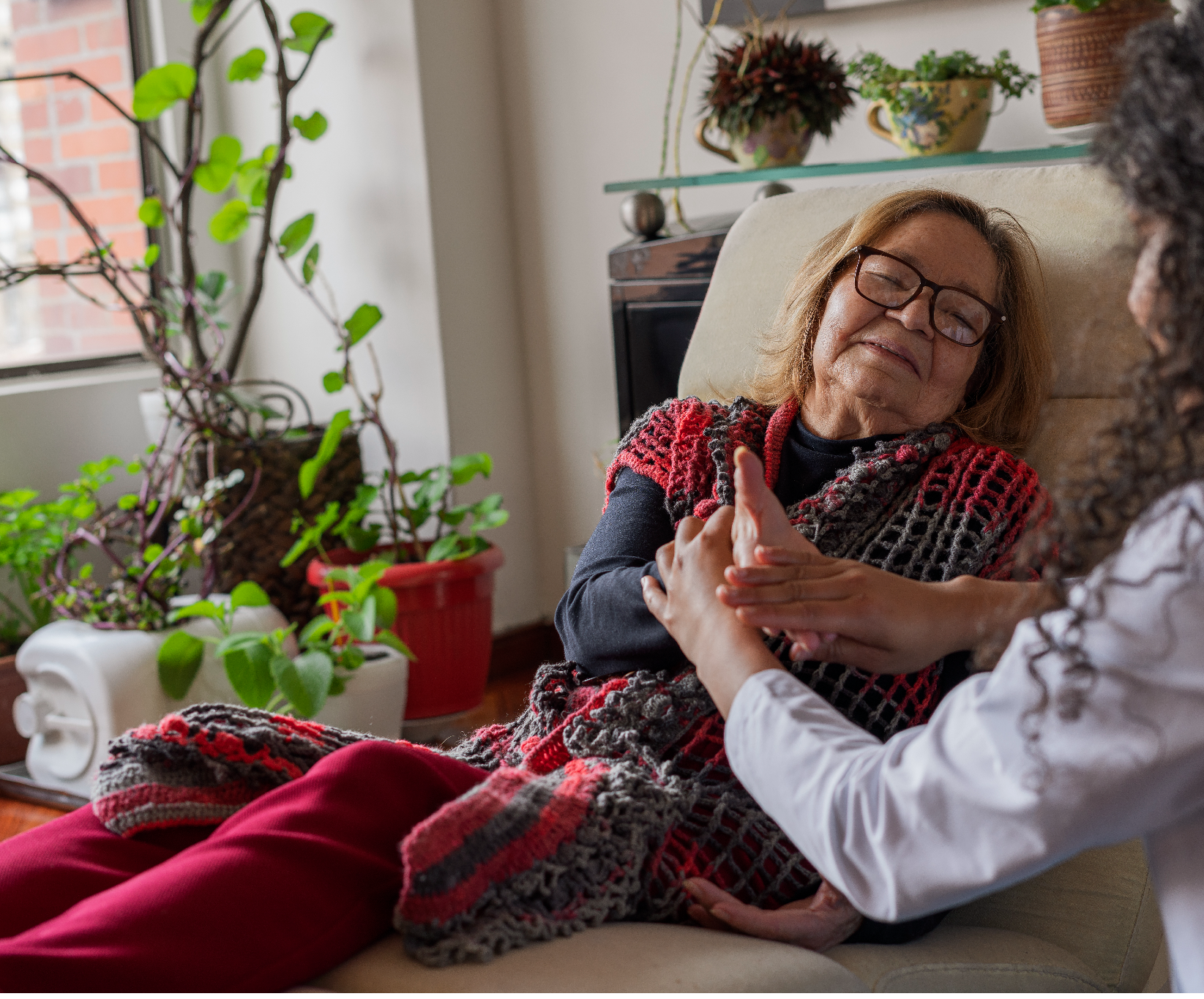
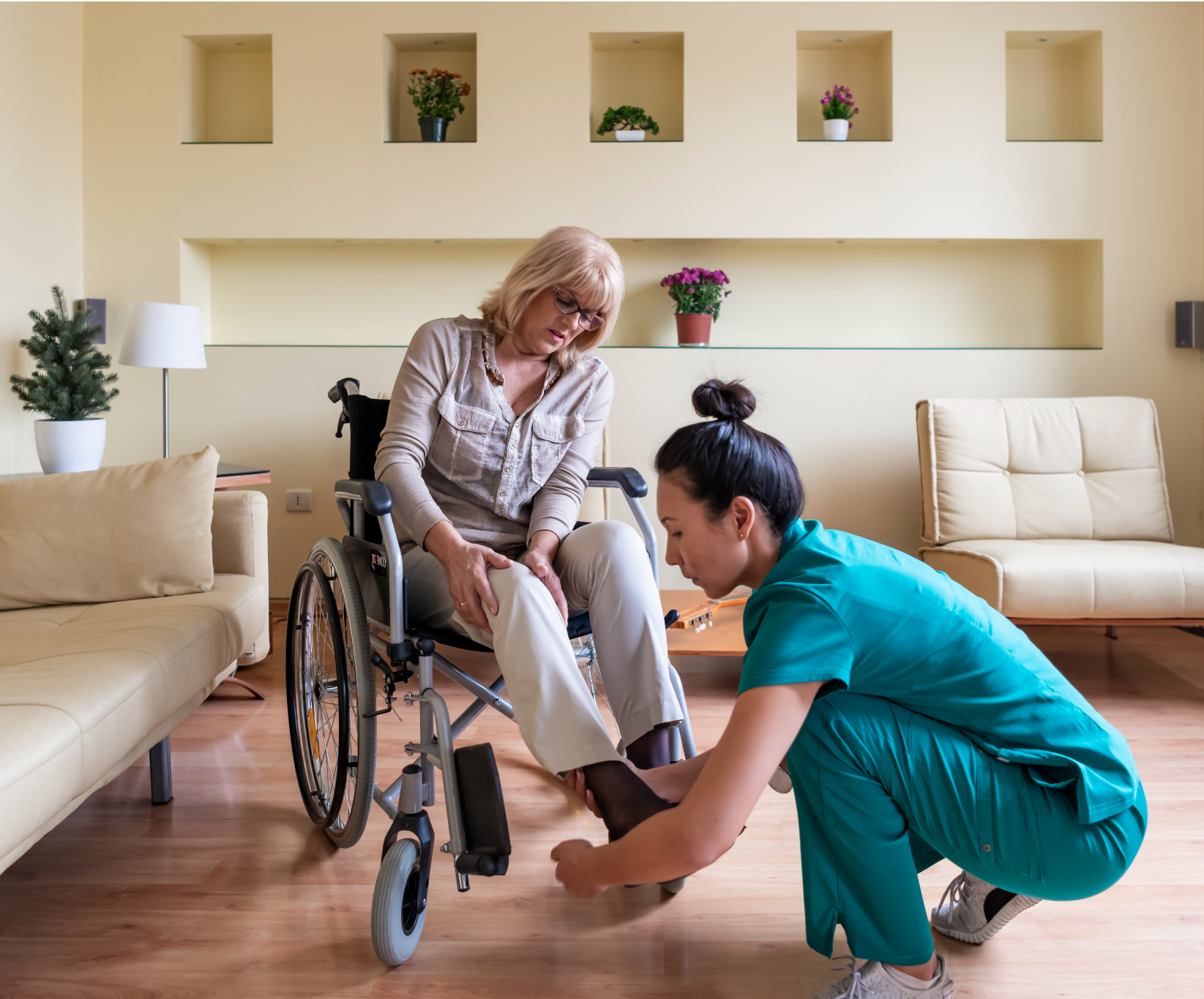
Supporting Safe Movement at Home
Hospice physical therapists focus on helping patients move as safely and comfortably as possible.
This may include:
- Improving balance and stability
- Supporting safe movement within the home
- Assisting with transfers (such as bed to chair)
- Reducing the risk of falls
The goal isn’t intensive rehabilitation—it’s practical, everyday comfort and safety.
Adapting to Changing Needs
As a person’s condition changes, so do their mobility needs.
Therapists assess the home and recommend small adjustments that can make a big difference—helping improve both safety and confidence.
Teaching Caregivers What to Expect
One of the most valuable roles of hospice physical therapy is education.
Families learn:
- How to assist safely
- How to avoid injury
- What to expect as mobility changes
This guidance helps reduce anxiety and builds confidence in caregiving.
Supporting Quality of Life
Even small movements can have a big impact.
Helping someone safely sit up, move comfortably or navigate their space can preserve a sense of independence and normalcy.
Practical Support That Makes a Difference
Hospice physical therapy is another example of care that is both practical and deeply meaningful.
It helps patients remain as safe, comfortable and confident as possible—right where they are.
Hospice is good medicine
Not because it cures disease—but because it brings together everything needed to support comfort, dignity and quality of life.
To learn more about hospice services and support, learn more about Riverside Hospice Care.