Part of the series: Understanding Hospice Care: A Guide for Patients and Families
Riverside’s Hospice Education Series on comfort, quality of life and compassionate care.
As health needs change, even simple daily routines can become more difficult.
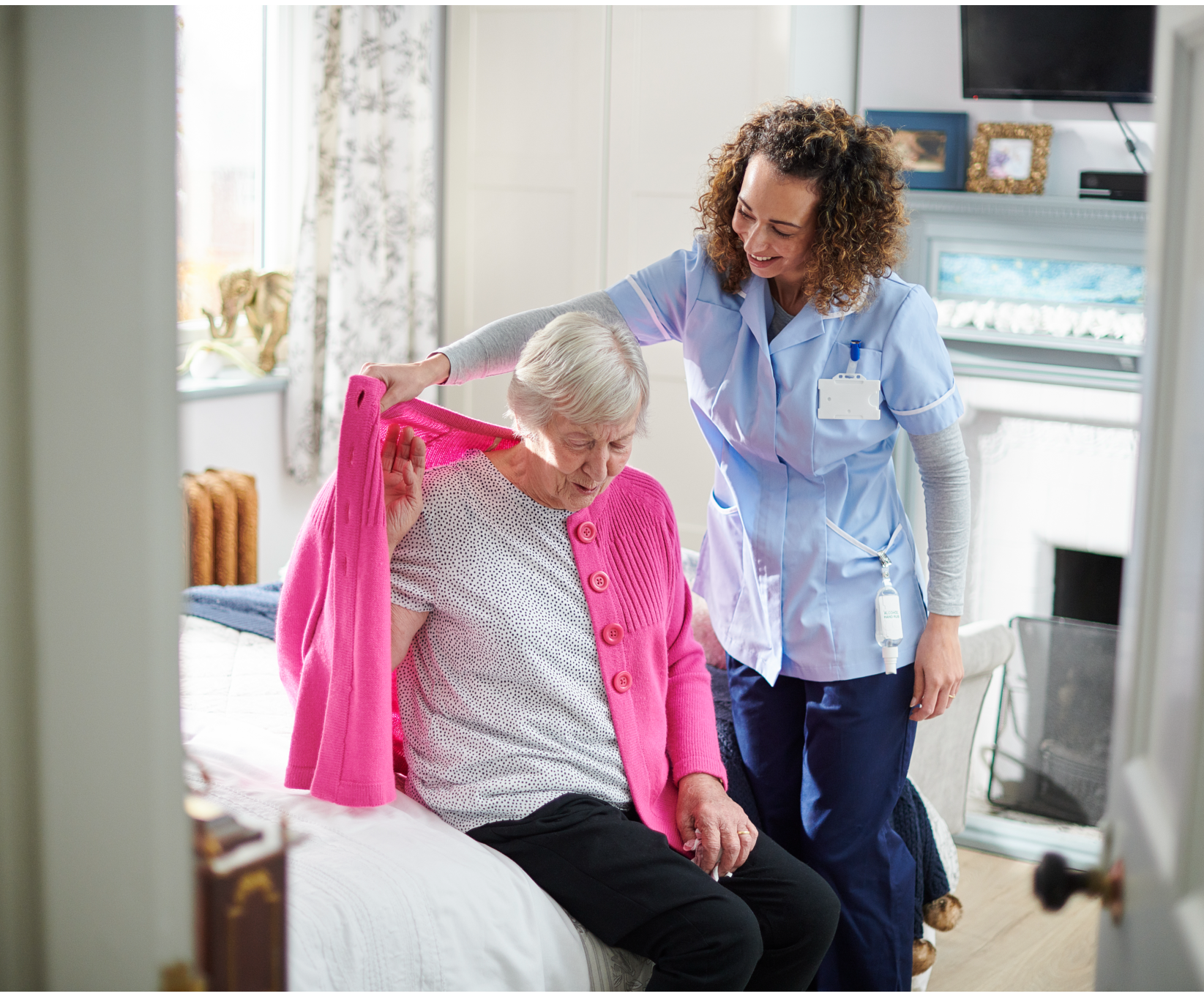
Getting dressed, preparing a meal or moving safely through the home may take more effort than before.
Hospice occupational therapy helps patients continue these everyday activities with greater comfort, safety and independence.
Supporting Everyday Living
Occupational therapists focus on the activities that shape daily life, including:
- Dressing and personal care
- Eating and meal routines
- Bathroom safety
- Moving safely throughout the home
Their goal is to help patients remain as independent and engaged as possible.
Adapting Activities for Comfort and Safety
Rather than taking over tasks, occupational therapy focuses on adapting how they’re done.
This may include:
- Recommending simple tools or techniques
- Adjusting daily routines
- Identifying and reducing safety risks in the home
These small changes can make a meaningful difference in day-to-day life.
Preserving Confidence and Identity
Daily routines are deeply personal. They help maintain a sense of independence and identity.
Supporting these activities—even in modified ways—can help patients feel more in control and connected to their normal routines.
Guidance for Families
Occupational therapists also provide practical guidance for caregivers, helping them understand:
- What is safe
- What is realistic
- How to assist without causing strain
This shared understanding helps create a smoother, less stressful caregiving experience.
Hospice is good medicine
Not because it cures disease—but because it brings together everything needed to support comfort, dignity and quality of life.
To learn more about hospice services and support, learn more about Riverside Hospice Care.