

Types of Cardiovascular Surgery
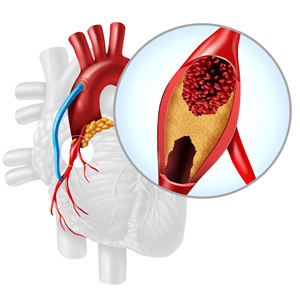
Coronary Artery Bypass Grafting (CABG) is a surgical procedure that helps improve blood flow to the heart muscle when arteries are narrowed or blocked. During CABG, a heart surgeon uses a healthy blood vessel from the patient’s leg or chest to create a new pathway around the blocked artery. This bypass allows blood to flow freely, restoring circulation to the heart. As a result, CABG can alleviate symptoms such as chest pain and lower the risk of a heart attack. If multiple blockages are addressed, the procedure is sometimes termed “double bypass’ or “triple bypass.”
Watch this video to understand the CABG procedure.
Heart valve disease can affect any of the four valves inside the heart. When the valve disease has progressed to a certain point, repair or replacement may be the only appropriate treatment.
Riverside’s structural cardiology and heart surgery team will work with each patient to determine if a catheter-based approach or an open surgical approach is the most appropriate procedure. Things that affect this decision include the valve that needs to be replaced, the age of the patient, the individual heart anatomy of the patient and any other medical conditions they may have.
Learn more about these procedures on the Heart Valve Program.
Thoracic aortic disorders involve issues with the large blood vessel, the aorta, that carries blood form the heart to the rest of the body. Disorders include:
Aneurysm: bulges in the aortic wall
Dissection: where the layers of the aorta tear apart
These conditions can be serious because they can lead to aortic rupture or decreased blood flow to vital organs. Early diagnosis and treatment are crucial to manage these conditions and prevent complications.
While most congenital (present at birth) heart defects are detected and corrected during childhood, some problems are not discovered until adulthood. These can include coarctation of the aorta, atrial septal defects, patent foramen ovale and others.
Depending on the individual issue, their heart anatomy and any other medical conditions they may have, some procedures may be done as catheter based while others may be minimally invasive or open-heart surgical procedures.
Learn more about the adult heart defect program here.
For some patients living with end-stage heart failure, ventricular assist devices (VADs) can help the heart continue to pump and support circulation. Heart transplants are also an option for some individuals.
These procedures are done by our colleagues at UVA Health’s cardiac surgery program. The affiliation allows patients to transition seamlessly from Riverside to Charlottesville and back again for follow up care and maintenance.
If you already have a referral, please call for an appointment.
Or, utilize Riverside MyChart to connect with your cardiologist or primary care physician for a referral.
Riverside Thoracic and Cardiovascular Surgery
500 J. Clyde Morris Blvd.
Annex Building, Suite 602
Newport News, VA 23601
757-534-5511